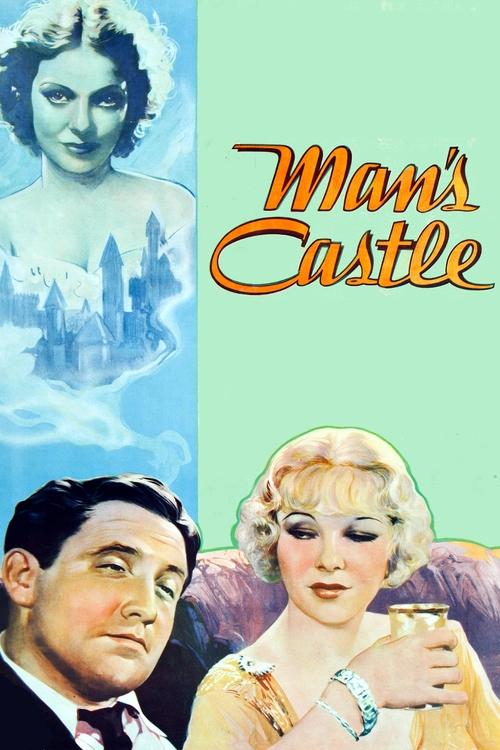
Man's Castle
1933
No user ratings available yet
Representation score: 1.0 out of 10
Representation Score
Limited
1933
NRDirector
Alfred E. Green
Runtime
72 minutes
Average Rating
No ratings yetNew Showbiz Analysis
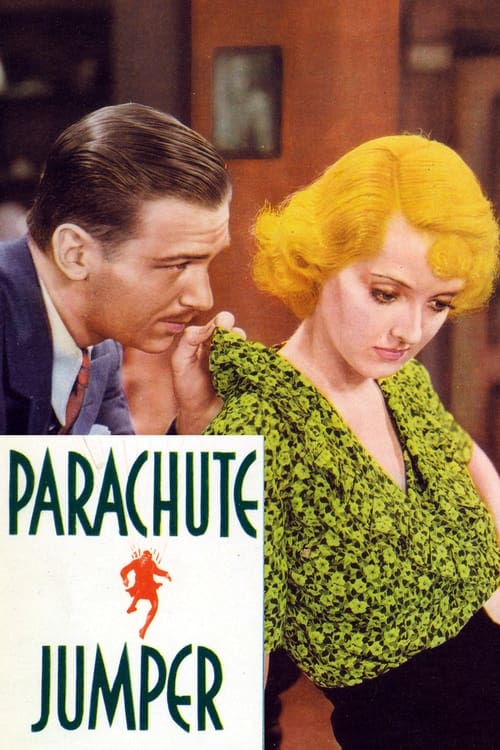
Parachute Jumper is a Depression-era drama that examines how economic hardship can lead individuals to organized crime. The narrative follows a typical storyline of social displacement, emphasizing the breakdown of traditional employment structures. While the film offers insights into the moral complexities of survival during the 1930s, it adheres closely to the social hierarchies and casting norms of the Hollywood studio system. It does not challenge the period's standard cinematic structures. Overall, the film serves as a period-specific social drama, touching on systemic economic pressures but lacking the layered diversity and complexity found in more contemporary works.
Category Breakdown
The film does not include any representations of LGBTQ+ identities or same-sex relationships. Instead, it focuses on the social dynamics and economic hardships of the time.
A woman is portrayed as a central figure in the domestic setting, but her role is limited to traditional domestic or romantic duties rather than having a significant impact on the plot.
The film likely reflects the predominantly white casting practices of the early 1930s. There is no indication of a diverse cast or non-white characters playing important roles.
The story addresses the economic struggles of the Great Depression and portrays crime as a means of survival. However, it sticks to the conventional dramatic formulas of the period.
There is no information about the portrayal of physical or neurodivergent disabilities in this film.
Present on Screen
Limited or Absent
Official Synopsis
An Air Force washout and his buddy room with a pretty young lady. Desperate for jobs during the Depression, they finally land employment with the mob.
1933

1933

1932

1932

1933
1931

1933
1932
No reviews yet. Be the first to share your thoughts on this movie!
Use the rating form above to leave a star rating and optional review.