Blackmail
1939
No user ratings available yet
Representation score: 0.4 out of 10
Representation Score
Minimal
1940
PassedDirector
Phil Rosen
Runtime
66 minutes
Average Rating
No ratings yetNew Showbiz Analysis
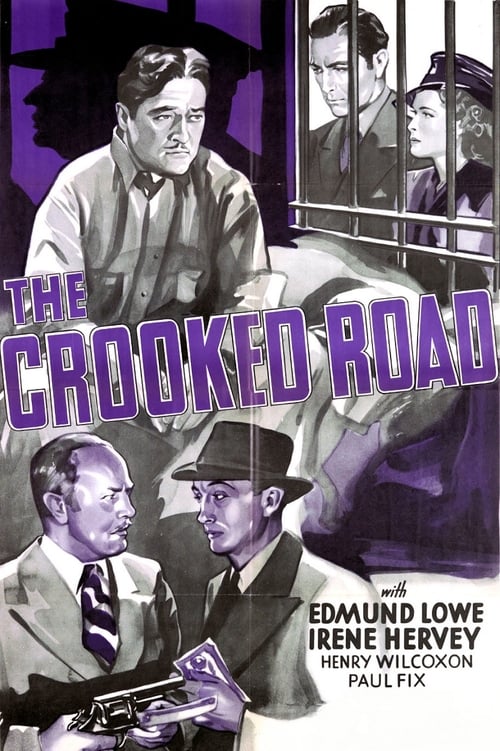
The Crooked Road is a conventional 1940s crime drama that prioritizes individual moral struggle over social representation. The narrative revolves around a man facing a blackmail threat from a former prison associate, focusing on the tension between reform and recidivism. Because the film adheres to the genre conventions of its era, it lacks depth in representing diverse identities. The story functions as a standard morality tale within a studio system that typically reinforced existing social hierarchies rather than challenged them. Ultimately, the film serves as a period-typical example of crime drama, emphasizing personal choices and legal consequences over diverse character perspectives.
Category Breakdown
The film does not include any characters with non-straight identities. It follows the typical social norms of 1940s cinema.
Women likely play traditional roles as domestic motivators or victims. The story focuses on the male protagonist's criminal dilemmas.
The film lacks meaningful racial diversity or non-white characters taking significant roles. The protagonist structure suggests a traditional, homogeneous cast.
The plot centers on individual adherence to legal and social norms. It emphasizes traditional morality rather than systemic critique.
There is no mention of neurodivergence, physical disabilities, or mental health themes in the film.
Present on Screen
Limited or Absent
Official Synopsis
A blackmail threat from an old prison buddy compels a man who has gone straight to consider yet another crime.
1939
1949
1941
1941
1940
1947

1935

1952
No reviews yet. Be the first to share your thoughts on this movie!
Use the rating form above to leave a star rating and optional review.