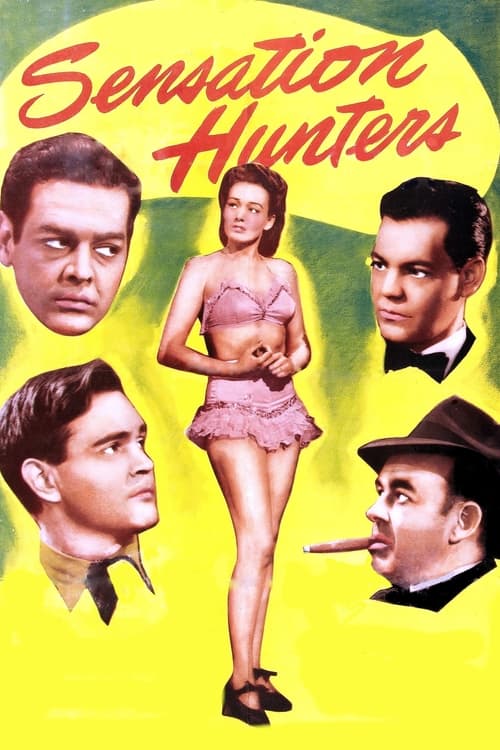
Sensation Hunters
1945
No user ratings available yet
Diversity score: 2.2 out of 10
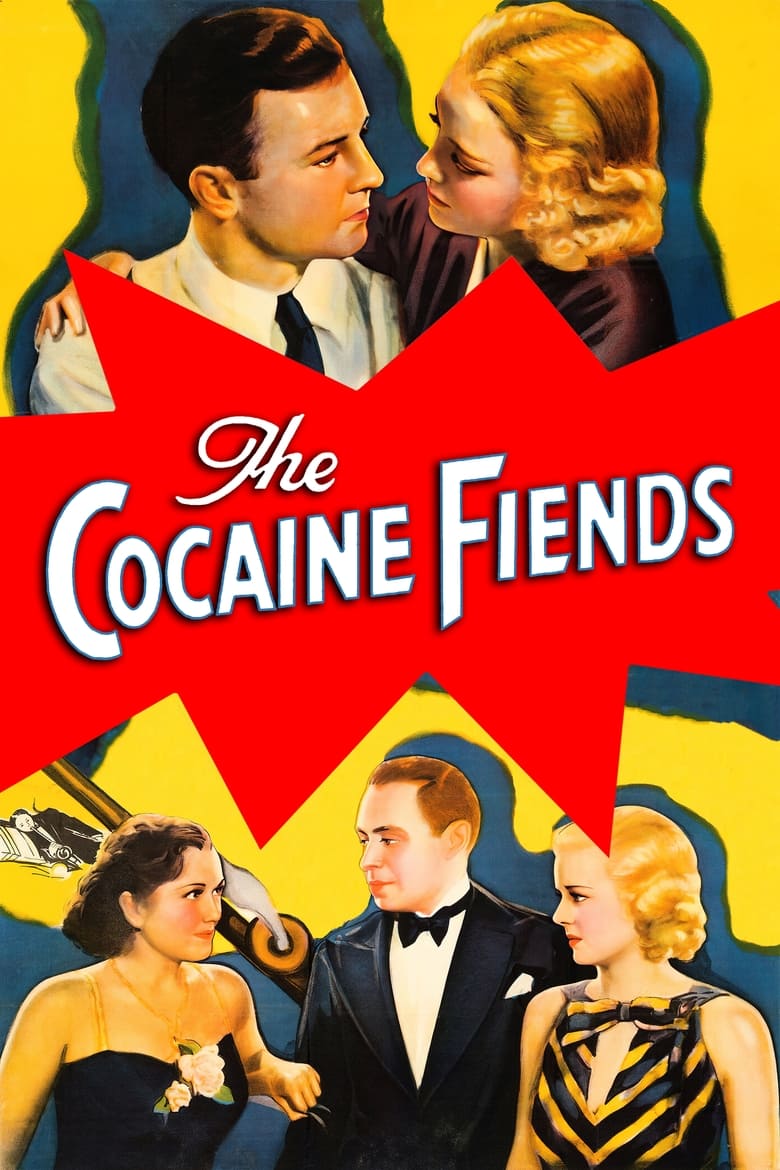
1935
NRDirector
William A. O'Connor
Runtime
68 minutes
Average Rating
No ratings yetSynopsis
Drug dealer on the run from the law meets an innocent young girl and her brother, and turns them into “cocaine fiends”.
Overall Score
Minimal
Category Breakdown
LGBTQ+ Representation
The film lacks any evidence of non-cisnormative identities or same-sex intimacy. It follows a traditional moralistic structure typical of the 1930s.
Gender Representation
The story centers on a male protagonist and his influence over children. Female characters appear as passive subjects of corruption rather than independent agents.
Racial & Ethnic Diversity
The film appears to adhere to the era's standard demographic norms. There is no evidence of a diverse or non-Anglo-Saxon cast.
Religious & Cultural Diversity
The narrative functions as a cautionary tale regarding substance abuse. It frames social deviance as a moral failing rather than a systemic issue.
Disability Representation
There is no indication of characters with physical or neurodivergent disabilities within the narrative.
Strengths
Areas for Improvement
AI Analysis
The Pace That Kills is a product of its era, functioning as a standard 1930s crime drama. It relies on a traditional moralistic framework that reinforces existing social hierarchies rather than challenging them. The film lacks intersectional complexity, focusing on a male-driven plot of corruption. Representation is minimal, with characters serving as archetypes of morality or deviance rather than nuanced individuals. Ultimately, the film reflects the homogeneous and punitive storytelling norms of mid-1930s cinema, offering little in the way of diverse perspectives or systemic critique.
1945
1947

1938
1935
1949

1933
1958
1958
1932
1925
1935
1979
No reviews yet. Be the first to share your thoughts on this movie!
Use the rating form above to leave a star rating and optional review.