
The Hell Cat
1934
No user ratings available yet
No diversity score available
1929
PassedDirector
Ralph Dawson
Runtime
80 minutes
Average Rating
No ratings yetSynopsis
A pretty young cashier at a movie theater has a few problems--a local thug is interested in her and won't leave her alone, and she discovers that her uncle is stealing the box-office receipts.
Overall Score
Limited
Category Breakdown
LGBTQ+ Representation
The film lacks any evidence of non-cisnormative identities or narratives that challenge heteronormativity. The plot centers on conventional predatory dynamics between a female protagonist and a male antagonist.
Gender Representation
A female cashier serves as the central figure, yet she is primarily defined by her vulnerability. The story relies on traditional tropes involving male aggressors and family misconduct.
Racial & Ethnic Diversity
There is no information regarding the racial or ethnic composition of the cast. The film likely reflects the homogeneous casting standards common in 1929 cinema.
Religious & Cultural Diversity
The narrative focuses on individual morality and domestic dysfunction rather than broader cultural critiques. Themes revolve around personal integrity and the consequences of criminal behavior.
Disability Representation
The synopsis contains no mention of characters with visible or invisible disabilities.
Strengths
Areas for Improvement
AI Analysis
The film functions as a conventional silent-era drama that adheres to the social and narrative constraints of its time. It focuses on interpersonal conflicts rather than intersectional complexity. The narrative architecture relies heavily on established tropes, particularly regarding gender. The protagonist is positioned as a victim of male misconduct, which limits the portrayal of female agency. Overall, the production lacks evidence of diverse representation across racial, cultural, or LGBTQ+ spectrums, reflecting the era's standard cinematic frameworks.
1934

1929
1932
1927
1926
1916
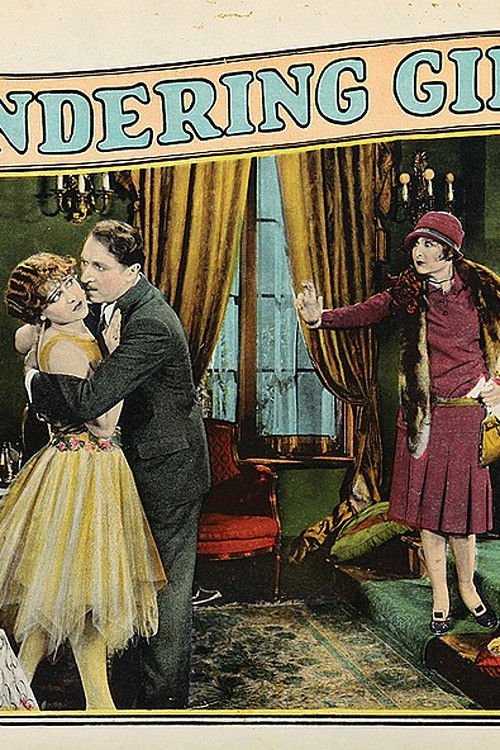
1927
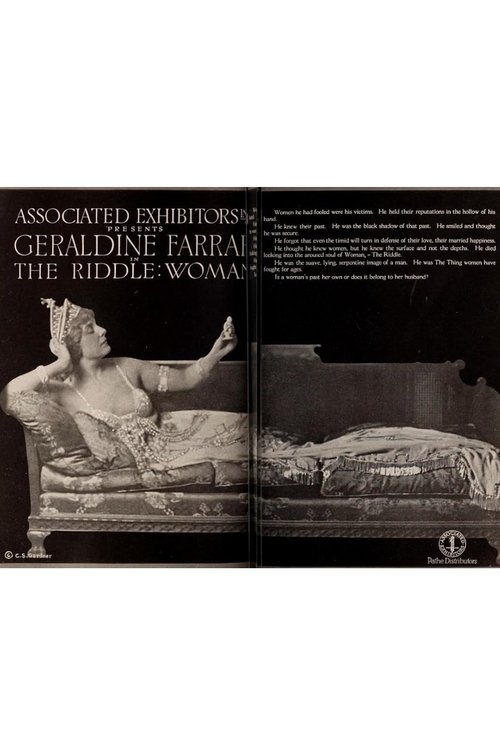
1920
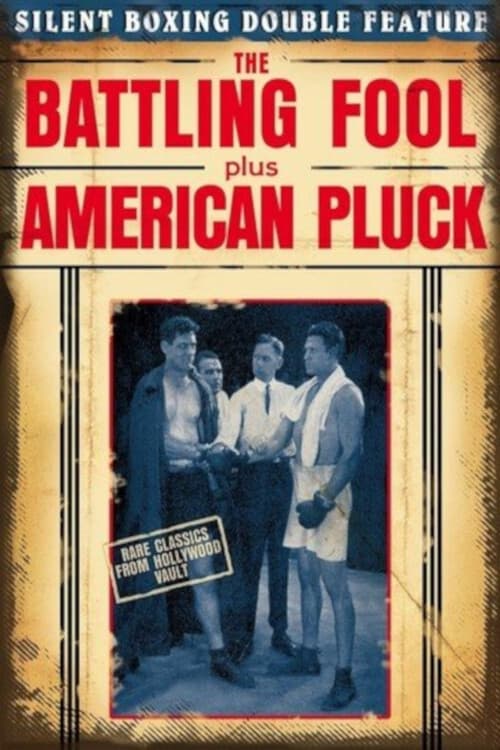
1924
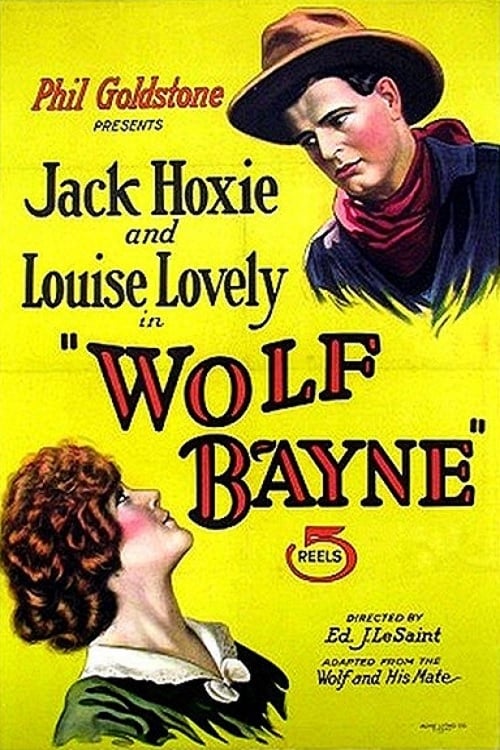
1918
1936

1925
No reviews yet. Be the first to share your thoughts on this movie!
Use the rating form above to leave a star rating and optional review.