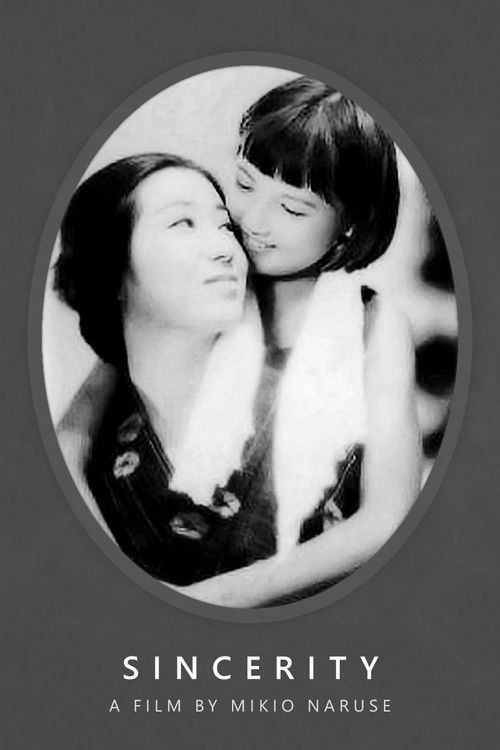
Sincerity
1939
No user ratings available yet
Representation score: 3.0 out of 10
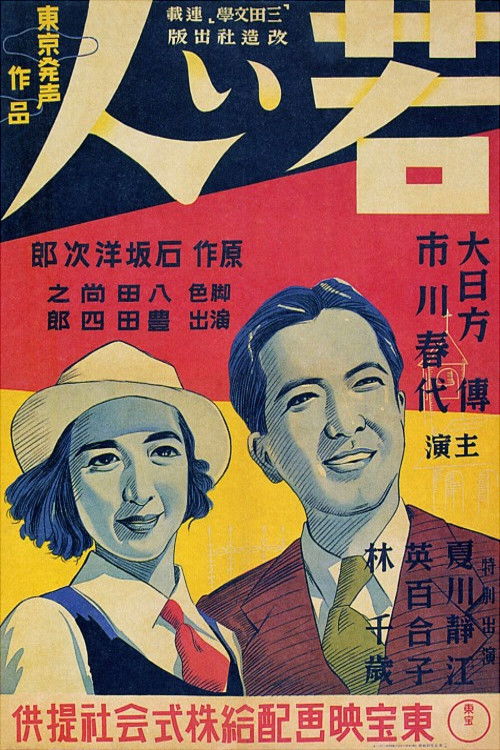
Representation Score
Limited
1937
Director
Shirō Toyoda
Runtime
88 minutes
Average Rating
No ratings yetNew Showbiz Analysis
Shirō Toyoda’s drama is a period piece centered on social morality and the stigma of illegitimacy. The film adheres to the traditional frameworks of 1937 Japan, emphasizing institutional order and social propriety over systemic critique. While the film presents moral complexity through Masaki’s empathy for Keiko, its narrative remains largely conventional. It examines the consequences of social exclusion without challenging the underlying power structures that marginalize individuals. Ultimately, the work serves as a study of mid-century dramatic realism, highlighting individual character struggles within a homogeneous and highly structured social environment.
Category Breakdown
The film focuses on traditional heterosexual relationships and social stigma, with no representation of diverse gender identities or challenges to traditional gender roles.
The movie highlights the vulnerability of women within rigid social structures through the character of Keiko. However, it maintains traditional power dynamics where male characters act as protectors and moral arbiters.
Set in a 1930s Japanese harbor town, the film portrays a culturally homogeneous environment with no depiction of racial diversity or ethnic blending.
The Christian school setting introduces religious institutionalism. The story delves into the conflict between personal empathy and the collective judgment of a religious community.
No visible or invisible disabilities are shown in the narrative, so there is no assessment of representation or ability to act for individuals with disabilities.
Present on Screen
Limited or Absent
Official Synopsis
Based on an original story by Yojiro Ishizaka, this well-made drama is set in a Christian school in a beautiful northern harbor town. Teacher Masaki (Obinata) speaks up for Keiko, one of the girls at the school, every time she causes problems because he feels sorry for her, a child born out of wedlock. Sumi (Natsukawa), one of Masaki’s colleagues and who is secretly in love with him, strongly disagrees with him about Keiko. Then Sumi hears a rumor that Keiko is pregnant with Masaki's child . . . .
1939
1931
1951
1969

1953
1936
1937

1920
No reviews yet. Be the first to share your thoughts on this movie!
Use the rating form above to leave a star rating and optional review.