
A Class to Remember
1993
No user ratings available yet
Representation score: 4.5 out of 10

Representation Score
Good
1996
Director
Yoji Yamada
Runtime
122 minutes
Average Rating
No ratings yetNew Showbiz Analysis
Yoji Yamada’s direction provides a humanistic exploration of social structures, focusing on those on the periphery of mainstream society. The film uses the Ryubetsu Handicapped High School as a microcosm to examine human ability to act and resilience. The narrative's greatest achievement is its commitment to disability representation. Instead of relying on clichés of pity, the story prioritizes the lived experiences and intellect of its students, allowing them to drive the emotional momentum. However, the film remains culturally and socially narrow. It maintains a homogeneous Japanese setting and lacks visible engagement with LGBTQ+ themes or diverse ethnic identities.
Category Breakdown
The film does not explicitly address queer narratives or non-straight identities. Its focus is on the specialized school setting.
Gender roles in the film follow traditional social structures within the school drama. Without specific character arcs, it is unclear if the film challenges or reinforces these hierarchies.
As a Japanese production, the narrative is inherently homogeneous. It does not blend diverse ethnic identities or subvert casting norms.
The film challenges conventional views of productivity by centering on individuals with disabilities. It emphasizes their subjective experiences and social complexities rather than pity.
This is the film's primary strength. By centering the narrative on a specialized high school, it gives a significant role in driving the story to characters with diverse physical or cognitive needs.
Present on Screen
Limited or Absent
Official Synopsis
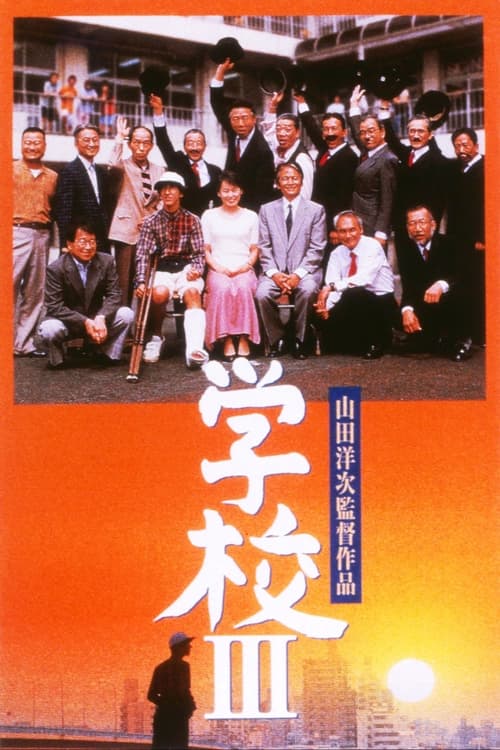
The story follows the teacher and students of the Ryubetsu Handicapped High School.
1993

1936
1998

1993

1988

2006

1995

1954
No reviews yet. Be the first to share your thoughts on this movie!
Use the rating form above to leave a star rating and optional review.