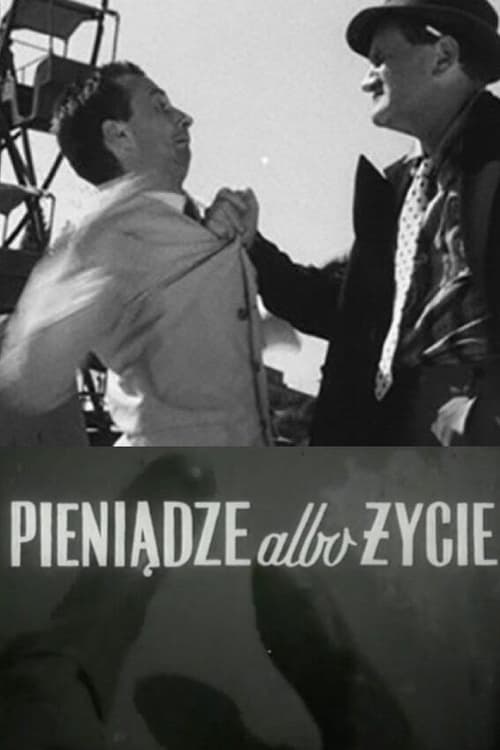
Your Money or Your Life
1961
No user ratings available yet
Representation score: 4.5 out of 10
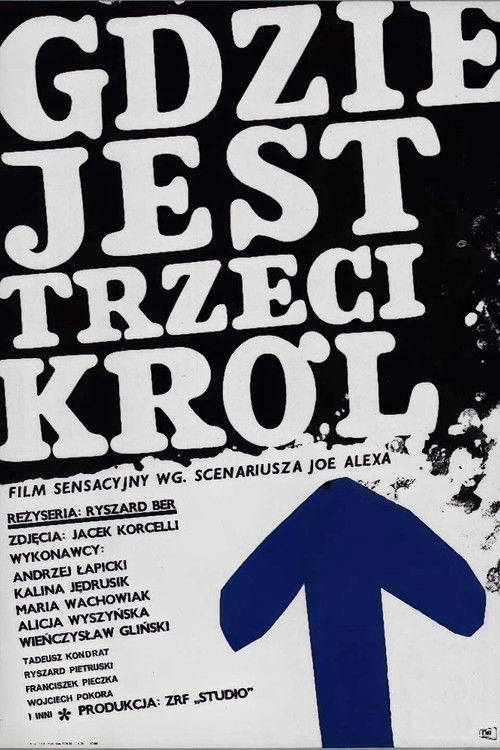
Representation Score
Limited
1967
Director
Ryszard Ber
Runtime
79 minutes
Average Rating
No ratings yetNew Showbiz Analysis
Where Is the Third King? functions as a traditional 1960s crime piece, prioritizing plot-driven suspense over identity politics. The film adheres to the structural expectations of its genre and historical period. The narrative focuses on institutional protection and a localized museum setting, resulting in a relatively uniform social landscape that lacks multi-layered complexity. Ultimately, the work does not seek to disrupt social hierarchies or traditional norms, remaining a standard procedural within its regional context.
Category Breakdown
The film follows a procedural crime framework involving militia officers and art thieves. There is no evidence of LGBTQ+ characters or relationships that go beyond the assumption that everyone is straight.
The narrative centers on two militia officers. The story likely relies on traditional masculine-coded authority figures common to 1960s procedural storytelling.
Set in 1967 Poland, the film reflects the demographic homogeneity of its era. There is no evidence of diverse ethnic groups or characters who reflect more than one aspect of diversity.
The museum setting engages with institutional preservation. The film maintains a neutral stance, neither promoting religious morality nor actively critiquing Western capitalism.
The narrative contains no information regarding characters with visible or invisible disabilities.
Present on Screen
Limited or Absent
Official Synopsis
Two militia officers are assigned to a museum in an undercover assignment to protect a valuable painting from an international group of art thieves.
1961
1937
1970

1981
1963

2012

1954
1963
No reviews yet. Be the first to share your thoughts on this movie!
Use the rating form above to leave a star rating and optional review.