Weathering with You
2019
No user ratings available yet
Representation score: 5.6 out of 10
Representation Score
Fair
2020
Director
Yoshinobu Sena
Runtime
95 minutes
Average Rating
No ratings yetNew Showbiz Analysis
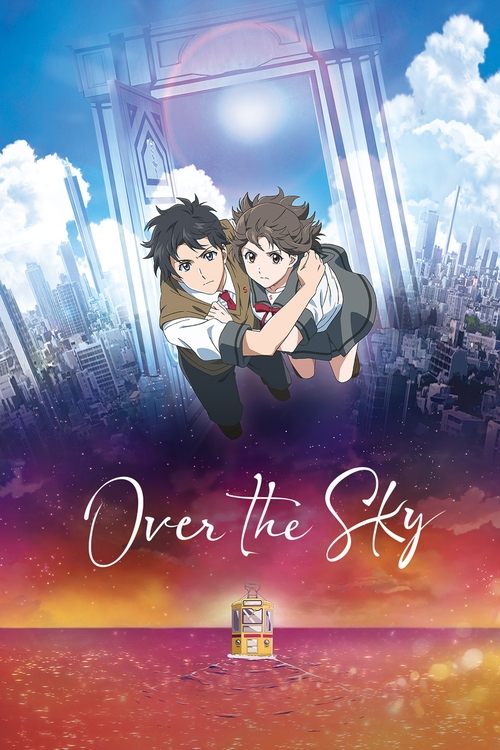
Over the Sky is a character-driven animation that prioritizes intimate interpersonal dynamics over broad demographic representation. The narrative succeeds in deconstructing traditional romantic clichés by focusing on the protagonist's internal struggle and flawed decision-making processes. However, the film lacks significant breadth in its social landscape. The setting remains largely homogeneous, and the story does not explicitly engage with non-straight relationships or systemic social critiques. Ultimately, the work functions as a psychological drama that values emotional complexity, though it offers limited visibility for diverse racial or disability-related experiences.
Category Breakdown
The story explores a complex emotional triangle between Mio, Arata, and Madoka. It focuses on unrequited feelings and the fear of disrupting social bonds but does not center on non-straight relationships.
Mio is depicted as an active, albeit flawed, protagonist. The film centers on her internal conflict and the emotional labor involved in navigating fractured relationships.
Set in Ikebukuro, Tokyo, the narrative appears to reflect a relatively homogeneous social environment. There is no explicit evidence of diverse racial blending within the story.
The film uses a surreal, mysterious world to explore subjective reality and emotional truth. It prioritizes individual authenticity over rigid social or academic expectations.
The narrative provides no information regarding the depiction of physical, neurodivergent, or mental health conditions.
Present on Screen
Limited or Absent
Official Synopsis
Mio has long hidden her feelings for her childhood friend Arata. After an argument leaves their relationship uncertain, she sets out to reconcile with him but awakens in a mysterious version of Ikebukuro following an accident. Guided by unusual new companions, Mio searches for a way home while confronting the feelings and memories she has avoided.
2019

2020
2011
2004

2019

2020

1999

2015
No reviews yet. Be the first to share your thoughts on this movie!
Use the rating form above to leave a star rating and optional review.