Over the Sky
2020
No user ratings available yet
Representation score: 5.0 out of 10
Representation Score
Fair
2019
PG-13Director
Makoto Shinkai
Runtime
112 minutes
Average Rating
No ratings yetNew Showbiz Analysis
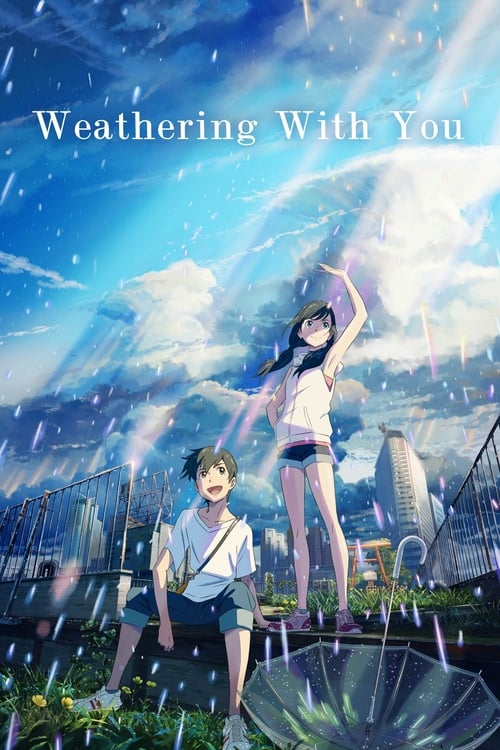
Weathering with You is a character-driven drama that stands out for its thematic subversion rather than broad demographic representation. While it does not depict LGBTQ+ or multi-ethnic identities prominently, it provides a nuanced critique of institutional authority and economic instability. The film shines in depicting the female lead's significant role and the moral complexity of choosing personal connections over societal stability. It shifts the focus from traditional social contracts to individual autonomy. Ultimately, the work prioritizes deep explorations of how young people navigate a modern, often exploitative urban environment over broad demographic diversity.
Category Breakdown
The story focuses on a relationship between two heterosexual characters. It does not include explicit references to LGBTQ+ identities or stories centered around those identities.
Hina Amano is a strong and influential character who avoids traditional submissive roles. She plays a key role in driving the plot forward and making important decisions.
The film reflects the homogeneous urban Japanese population. It does not feature a diverse cast or actors from different ethnic backgrounds.
The narrative criticizes capitalist systems and the lack of support from society. It emphasizes individual autonomy and personal connections over traditional societal expectations and collective responsibility.
The film examines the psychological challenges faced by young people in unstable socioeconomic conditions. These issues are explored with nuance but are not central to the main characters' identities.
Present on Screen
Limited or Absent
Official Synopsis
The summer of his high school freshman year, Hodaka runs away from his remote island home to Tokyo, and quickly finds himself pushed to his financial and personal limits. The weather is unusually gloomy and rainy every day, as if taking its cue from his life. After many days of solitude, he finally finds work as a freelance writer for a mysterious occult magazine. Then, one day, Hodaka meets Hina on a busy street corner. This bright and strong-willed girl possesses a strange and wonderful ability: the power to stop the rain and clear the sky.
2020
2019

2022

2017

2020
2013

2011

2011
No reviews yet. Be the first to share your thoughts on this movie!
Use the rating form above to leave a star rating and optional review.