Summer Ghost
2021
No user ratings available yet
Representation score: 3.1 out of 10
Representation Score
Fair
2015
MDirector
Masaki Nishiura
Runtime
120 minutes
Average Rating
No ratings yetNew Showbiz Analysis
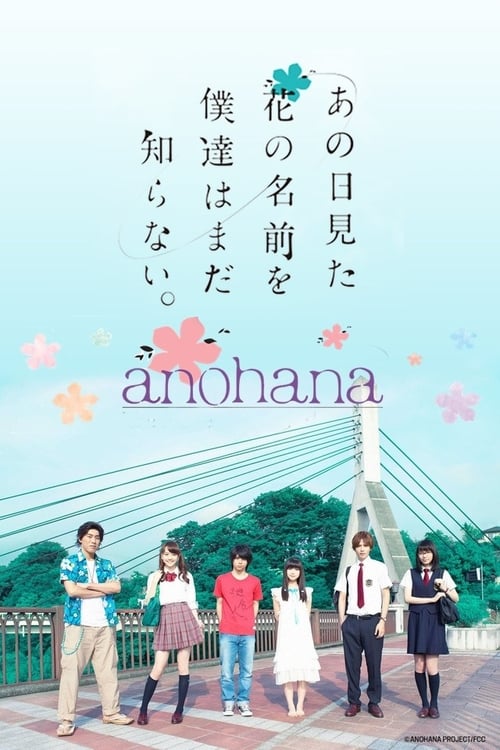
AnoHana is a character-driven psychological drama that delves into the complexities of human emotions and mental health. It effectively dismantles the stability of traditional social structures through the lens of shared trauma. However, the film remains rooted in a culturally and demographically traditional setting. It does not engage with broader systemic, racial, or identity-based political frameworks, focusing instead on individual emotional resolution within a homogeneous environment.
Category Breakdown
The film centers on straight friendships and emotional connections between male characters and a female figure. It does not include explicit representations of non-straight identities or characters coded as queer.
The main group includes both male and female characters. The central female character, Menma, plays a key role in driving the plot and influencing the male characters' emotional journeys.
The cast is ethnically uniform, reflecting a modern Japanese context. The story does not explore racial mixing or metaphors for ethnic diversity.
The film emphasizes personal emotional truth and the experience of grief over religious doctrine. It challenges idealized childhood memories by showing social withdrawal as a result of trauma.
The narrative provides an empathetic look at invisible disabilities, particularly mental health issues stemming from traumatic experiences. Characters show emotional instability and social withdrawal, portrayed with understanding.
Present on Screen
Limited or Absent
Official Synopsis
Friends grow apart after a tragic accident claims one of their number. Years later, the dead girl appears to them to ask for their help in crossing over to the afterlife.
2021

2013
2020

2006
2020
2016
2022
2006
No reviews yet. Be the first to share your thoughts on this movie!
Use the rating form above to leave a star rating and optional review.