
Words Bubble Up Like Soda Pop
2021
No user ratings available yet
Representation score: 6.6 out of 10
Representation Score
Good
2020
TV-14Director
Akiyo Ohashi
Runtime
59 minutes
Average Rating
No ratings yetNew Showbiz Analysis
The film excels by placing queer experiences at the center of the narrative. It challenges traditional genre expectations by focusing on emotional authenticity and social integration. While the localized perspective provides a rich cultural context, the ethnically homogeneous cast limits broader racial diversity. The work succeeds as an intimate, character-driven drama.
Category Breakdown
The film focuses on queer identity and the social consequences of coming out. It makes the romantic tension between Shun and Mio the main plot driver, challenging typical genre expectations.
The narrative emphasizes emotional vulnerability among male protagonists, disrupting traditional masculinity. However, the focus remains on interpersonal relationships rather than a broader critique of gender roles.
As a Japanese production, the film offers a localized perspective on identity. Though the cast is ethnically homogeneous, it avoids a Western-centric lens by exploring identity within a specific Japanese societal framework.
The story examines the conflict between personal truth and societal conformity. It moves away from traditional moralities to favor a nuanced, relativistic approach to personal ethics.
There are no prominent depictions of physical or neurodivergent disabilities within the narrative.
Present on Screen
Limited or Absent
Official Synopsis
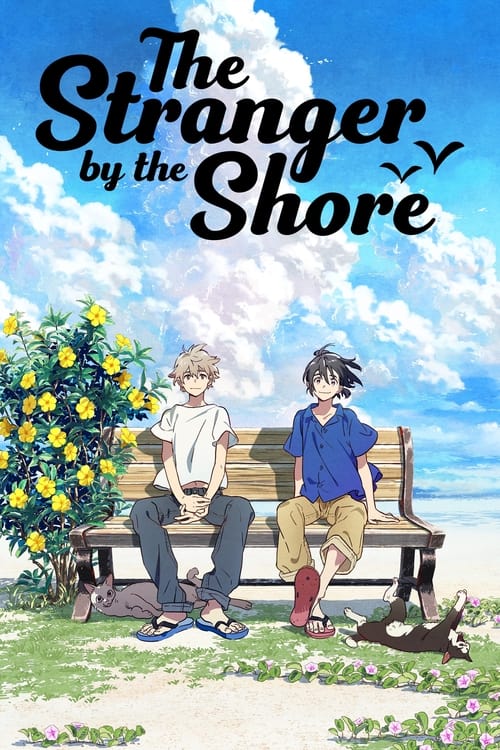
Abandoned after coming out, Shun befriends Mio just before he has to move. Years later, Mio returns with a confession. How will Shun feel?
2021
2014
1999
2007

2014

2023

2020

2019
No reviews yet. Be the first to share your thoughts on this movie!
Use the rating form above to leave a star rating and optional review.