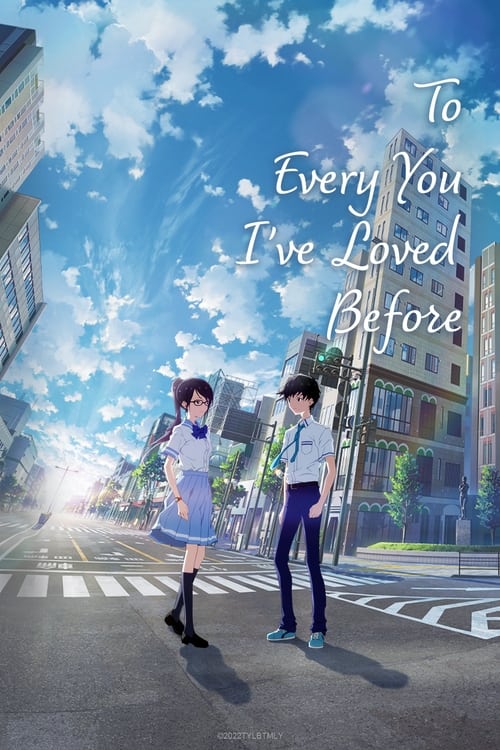
To Every You I've Loved Before
2022
No user ratings available yet
Representation score: 4.2 out of 10

Representation Score
Good
2019
Director
Yuhei Sakuragi
Runtime
93 minutes
Average Rating
No ratings yetNew Showbiz Analysis
The Relative Worlds is a character-driven speculative drama that delves into psychological depth and existential questions. Using a science fiction premise, it deconstructs the concept of identity and the stability of the self, going beyond typical genre clichés. While the film excels in exploring complex emotions and the disruption of a singular reality, it does not explicitly highlight diverse social identities. The narrative focuses on internal psychological landscapes rather than external demographic issues. Ultimately, the film provides a nuanced exploration of the self but remains limited in its overt representation of diverse social identities.
Category Breakdown
The film highlights the strong emotional bond between Shin and Kotori, but it does not explicitly confirm any queer romantic relationships or non-cisgender identities.
Kotori plays a significant role as the emotional anchor for the male protagonist, shifting traditional gender roles by positioning her as the foundational support system.
The story seems to operate within a localized cultural context. There is no indication of a multi-ethnic cast or the use of metaphors to represent racial diversity.
The narrative explores existential themes and the instability of reality through its science fiction premise. It challenges singular truths by presenting an alternate version of the protagonist.
Shin's journey focuses on his psychological withdrawal and the impact of grief. However, there is no clear representation of neurodivergence or physical disability.
Present on Screen
Limited or Absent
Official Synopsis
Shin has shut his heart ever since his mother died when he was young. His childhood friend Kotori has been looking after him ever since. Now that they are in the third year of high school, and it seems like they can finally move forward, another Shin from another Japan has suddenly appeared in front of them.
2022
2019
2020
2020

2019

2010

2023
2016
No reviews yet. Be the first to share your thoughts on this movie!
Use the rating form above to leave a star rating and optional review.