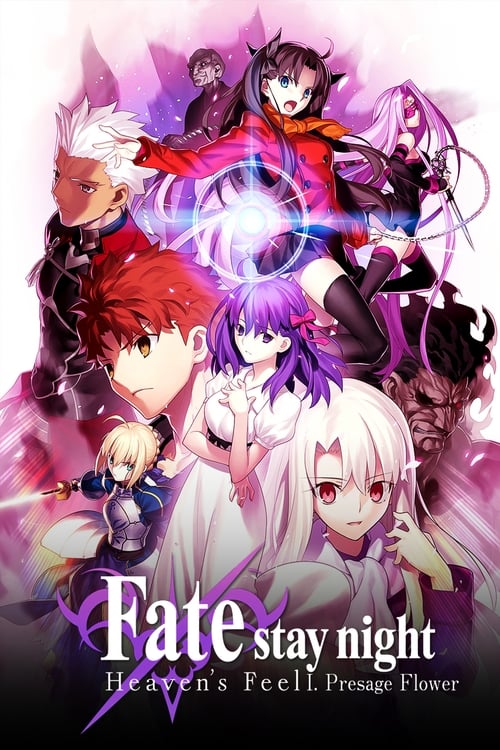
Fate/stay night: Heaven's Feel I. Presage Flower
2017
No user ratings available yet
Representation score: 7.1 out of 10
Representation Score
Excellent
1999
Not RatedDirector
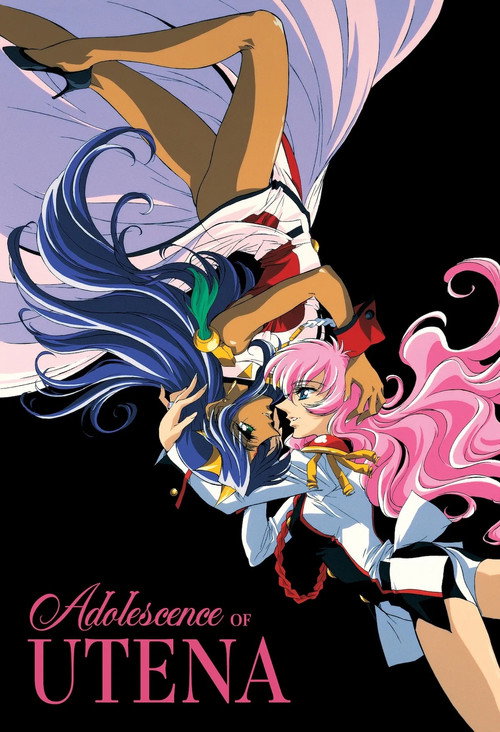
Kunihiko Ikuhara
Runtime
86 minutes
Average Rating
No ratings yetNew Showbiz Analysis
The film is a sophisticated deconstruction of societal hierarchies, using postmodern symbolism to challenge traditional roles. It goes beyond simple inclusion to actively dismantle the frameworks of gender and social expectation. By employing surrealism, the work replaces conventional morality with a pursuit of individual empowerment. The director's history of challenging social structures is evident in the narrative's rejection of scripted realities. While the film excels in gender and LGBTQ themes, its abstract setting limits its engagement with racial and physical disability representation, resulting in more neutral scores in these areas.
Category Breakdown
The film focuses on intense, non-traditional romantic bonds between Utena and Anthy. It challenges conventional romance by presenting it as restrictive and repetitive. The story emphasizes character autonomy over typical courtship rituals.
Utena overturns traditional gender roles by taking on the typically male role of the 'prince.' The narrative portrays masculinity and femininity as rigid, staged roles. True empowerment comes from breaking free from these prescribed roles.
Set in a dreamlike, abstract landscape, the film avoids concrete representations of race. Characters serve as symbolic archetypes within a surreal framework. There is no visible racial diversity or representation of multiple ethnic backgrounds.
The story critiques 'the system' as a metaphor for static societal structures. It values personal transformation and rebellion over established norms. Rejecting traditional authority is framed as a path to freedom.
Representation is largely symbolic, focusing on psychological and existential struggles. Characters navigate trauma and identity through high-concept symbolism. The film lacks grounded portrayals of neurodivergence or chronic illness.
Present on Screen
Limited or Absent
Official Synopsis
In a loose retelling of the Revolutionary Girl Utena TV series, Utena Tenjou arrives at Ohtori Academy, only to be immediately swept up in a series of duels for the hand of her classmate Anthy Himemiya and the power she supposedly holds. At the same time, Utena reunites with Touga Kiryuu, a friend from her childhood who seems to know the secrets behind the duels. Utena must discover those secrets for herself, before the power that rules Ohtori claims her and her friends, new and old.
2017
1993
1999
2020
2012

2020
2000
2018
No reviews yet. Be the first to share your thoughts on this movie!
Use the rating form above to leave a star rating and optional review.