
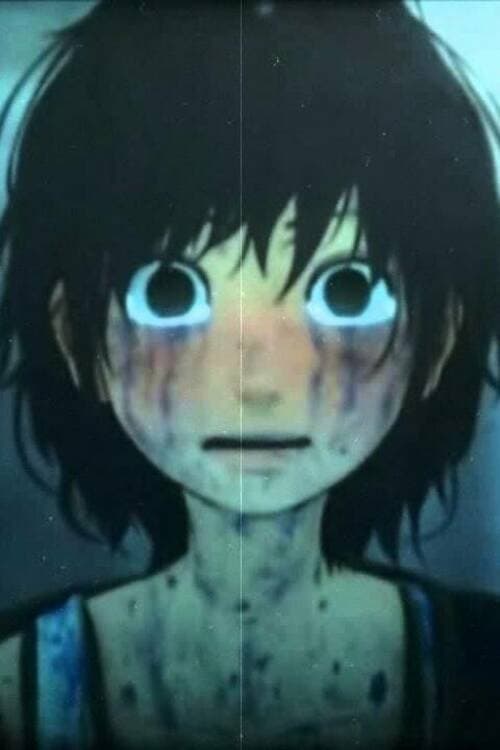
Hotarubi no Mori e
2011
No user ratings available yet
Representation score: 2.3 out of 10
Representation Score
Limited
2011
Director
Kenji Kawasaki
Runtime
8 minutes
Average Rating
No ratings yetNew Showbiz Analysis
Chiruri operates within the familiar territory of dystopian romance, focusing on a boy and a girl's existential journey. While the genre often provides a framework to deconstruct societal norms, the film's specific approach to identity remains unclear. The narrative relies on established clichés that do not inherently guarantee depth in reflecting multiple aspects of identity. Without clear evidence of diverse casting or non-traditional identities, the film maintains a neutral stance on most social dimensions. Ultimately, the film's capacity to challenge broader social hierarchies is unverified. It presents a character-driven drama that lacks the specific symbols of meaningful representation.
Category Breakdown
The film includes a romance storyline, but the sexual orientations of the main characters are not specified. There is no indication of non-binary identities or critiques of the assumption that everyone is straight.
The story focuses on a boy and a girl, which are traditional archetypes. However, the dystopian setting might allow for characters to take more control based on survival needs.
The synopsis does not provide information about the ethnic or racial makeup of the characters. The animated format allows for diverse representation, but this is not confirmed.
Dystopian themes often critique social structures and traditional institutions. This suggests a potential for challenging conventional narratives, although specific opposition to such institutions is not confirmed.
There is no mention of physical disabilities, mental health conditions, or neurodivergent traits within the character descriptions or plot summary.
Present on Screen
Limited or Absent
Official Synopsis
A story of a boy and a girl who try to find the one thing that matters.
2011
2022

2010
2007

2013
2019

2011
2018
No reviews yet. Be the first to share your thoughts on this movie!
Use the rating form above to leave a star rating and optional review.