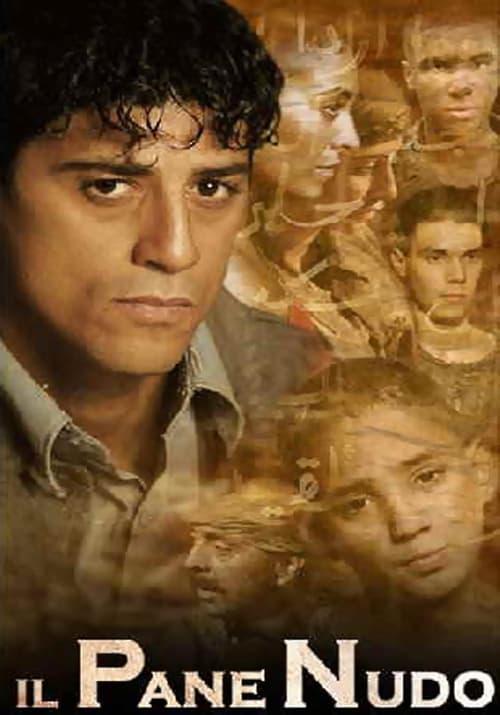
For Bread Alone
2004
No user ratings available yet
Representation score: 6.0 out of 10
Representation Score
Fair
1977
Not RatedDirector
Vittorio Taviani, Paolo Taviani
Runtime
114 minutes
Average Rating
No ratings yetNew Showbiz Analysis
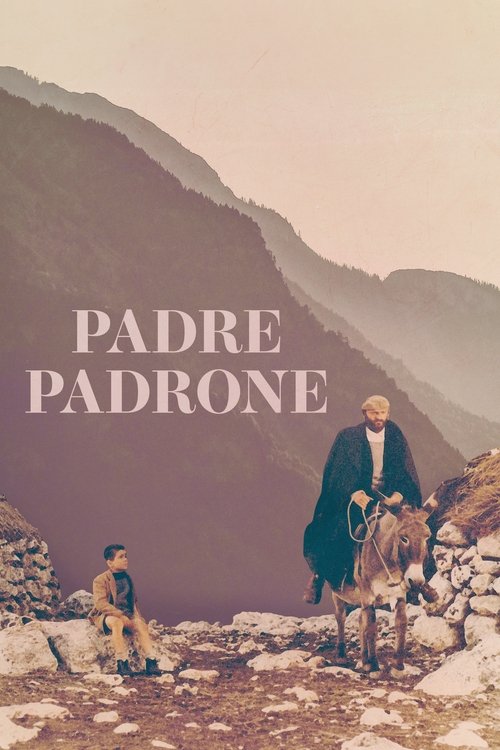
Padre Padrone is a powerful deconstruction of patriarchal and class-based hierarchies. It uses a fragmented narrative to highlight the friction between individual autonomy and inherited social structures. The film's strength lies in its ability to frame traditional authority as a source of oppression rather than stability. However, the film lacks representation of LGBTQ+ identities or perspectives that reflect multiple aspects of identity. The focus remains strictly on the biological and social hierarchies of Sardinian pastoral life, leaving no room for diverse identities. While it offers a rich cultural study of a specific region, it does not address disability or multi-ethnic diversity. Ultimately, the film is a sophisticated critique of systemic dominance, prioritizing the intellectual liberation of the individual against corrupt, traditionalist norms.
Category Breakdown
The film focuses solely on male-dominated survival struggles and does not include any queer themes or non-cisgender identities.
The narrative critiques hyper-patriarchal structures by portraying the father as a volatile, tyrannical force. It challenges the competent patriarch cliché by framing masculine authority as a source of dysfunction.
The film provides a nuanced look at Sardinian regional identity. It avoids homogenized Italian depictions by centering a specific, underrepresented pastoral subculture.
The story excels at critiquing traditional Western institutions like the nuclear family. It frames the pursuit of education as a rebellion against oppressive, feudalistic social orders.
The characters' struggles are primarily socioeconomic and psychological. The film does not feature visible or invisible disabilities as central narrative drivers.
Present on Screen
Limited or Absent
Official Synopsis
The true story of the life of Gavino Ledda, the son of a Sardinian shepherd, and how he managed to escape his harsh, almost barbaric existence by slowly educating himself, despite violent opposition from his brutal father.
2004
1978
1979

1949

2010
1994

1996
2010
No reviews yet. Be the first to share your thoughts on this movie!
Use the rating form above to leave a star rating and optional review.