
The Journey of August King
1995
No user ratings available yet
Representation score: 3.0 out of 10
Representation Score
Limited
1997
RDirector
Steven Spielberg
Runtime
155 minutes
Average Rating
No ratings yetNew Showbiz Analysis
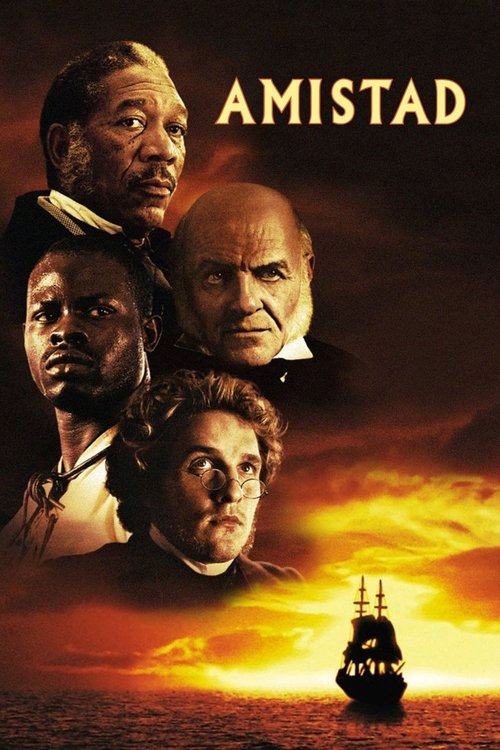
Amistad stands out as a compelling historical exploration that emphasizes the proactive leadership of African characters. By presenting Cinque as a proactive leader rather than a passive figure, the film challenges traditional stereotypes of the time. This focus on racial personhood provides a strong, humanizing core to the narrative. However, the film remains centered around male-dominated spheres. Legal and political battles are primarily driven by men, while women are relegated to secondary, domestic roles. Despite the film's progressive racial themes, this creates a notable imbalance in gender representation. Ultimately, the film serves as a critique of systemic institutional oppression. While it lacks LGBTQ+ or disability representation, its intense engagement with post-colonial themes and the disruption of Western legal authority offers a sophisticated, meaningful perspective.
Category Breakdown
The film follows the social norms of its time, with no depictions of LGBTQ+ identities or stories involving non-straight individuals.
The story focuses on male-dominated areas like the rebellion and legal battles. Women are given less prominent roles, confined to supporting positions within the main characters' lives.
The film highlights the proactive leadership of African characters, particularly Cinque, emphasizing their humanity and intellect to counter historical stereotypes.
The movie critically examines Western institutions and corrupt legal systems, framing the rebellion as a necessary fight against systemic oppression.
There are no significant portrayals of physical or neurodivergent disabilities. Such traits do not play central roles or serve as key plot elements.
Present on Screen
Limited or Absent
Official Synopsis
In 1839, the slave ship Amistad set sail from Cuba to America. During the long trip, Cinque leads the slaves in an unprecedented uprising. They are then held prisoner in Connecticut, and their release becomes the subject of heated debate. Freed slave Theodore Joadson wants Cinque and the others exonerated and recruits property lawyer Roger Baldwin to help his case. Eventually, John Quincy Adams also becomes an ally.
1995

1990

2012

1996
2013

2007

2014

2016
No reviews yet. Be the first to share your thoughts on this movie!
Use the rating form above to leave a star rating and optional review.