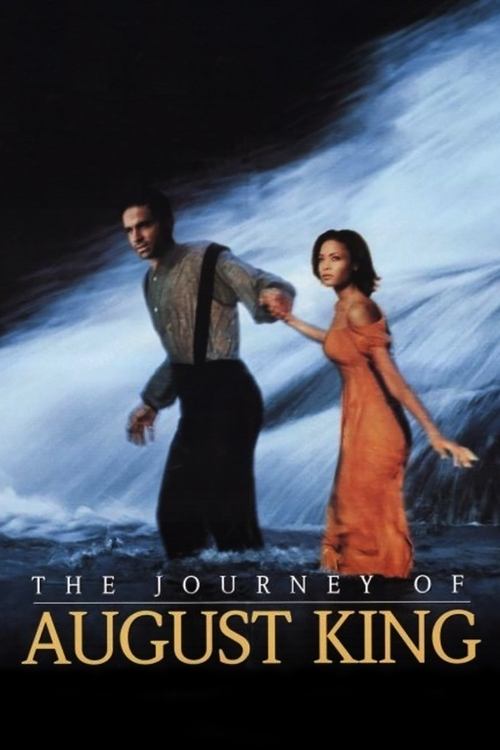
The Journey of August King
1995
No user ratings available yet
Representation score: 3.0 out of 10
Representation Score
Limited
2014
RDirector
Peter Cousens
Runtime
98 minutes
Average Rating
No ratings yetNew Showbiz Analysis
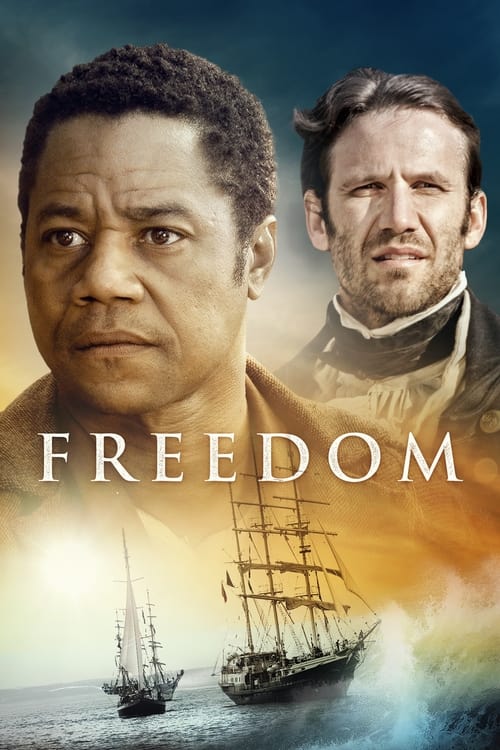
Freedom (2014) is a historical drama that emphasizes the experiences of underrepresented individuals, particularly those affected by slavery. It uses a dual-timeline structure to connect past traumas with contemporary issues of systemic oppression. The film provides a nuanced exploration of the African diaspora and the mechanisms of slavery, challenging traditional narratives. While the film excels in its racial and cultural analysis, it falls short in representing LGBTQ+ identities and characters with disabilities. Additionally, the narrative is predominantly focused on male figures, limiting the portrayal of women's ability to drive the story.
Category Breakdown
The film contains no evidence of LGBTQ+ characters or non-assuming gender matches what was assigned at birth identities. The narrative focus remains strictly on the historical dynamics of slavery and abolition.
The story focuses on male figures like Newton and Woodward, with no explicit depiction of women's ability to drive the story or empowerment.
The film highlights the struggles of a Black protagonist and his ancestors, emphasizing the impact of slavery and the Underground Railroad.
The film critiques institutional morality by examining the systemic nature of slavery and the moral transformation of characters like Captain Newton.
There is no mention of characters with visible or invisible disabilities within the narrative context.
Present on Screen
Limited or Absent
Official Synopsis
Two men separated by 100 years are united in their search for freedom. In 1856 a slave, Samuel Woodward and his family, escape from the Monroe Plantation near Richmond, Virginia. A secret network of ordinary people known as the Underground Railroad guide the family on their journey north to Canada. They are relentlessly pursued by the notorious slave hunter Plimpton. Hunted like a dog and haunted by the unthinkable suffering he and his forbears have endured, Samuel is forced to decide between revenge or freedom. 100 years earlier in 1748, John Newton the Captain of a slave trader sails from Africa with a cargo of slaves, bound for America. On board is Samuel's great grandfather whose survival is tied to the fate of Captain Newton. The voyage changes Newton's life forever and he creates a legacy that will inspire Samuel and the lives of millions for generations to come.
1995
2016
1988
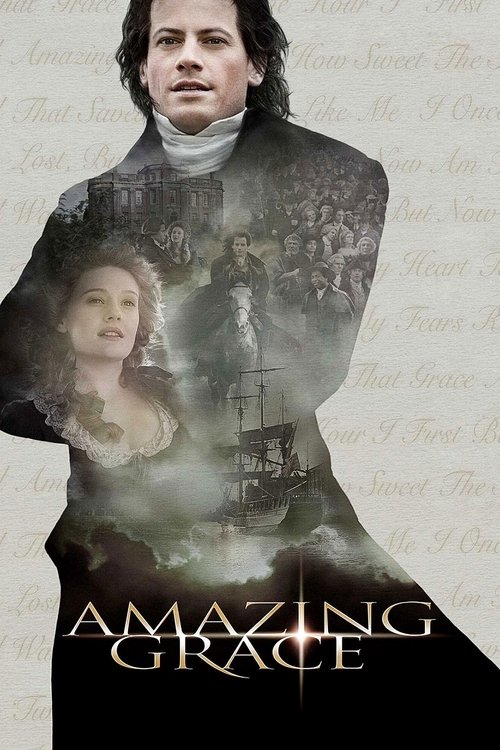
2006
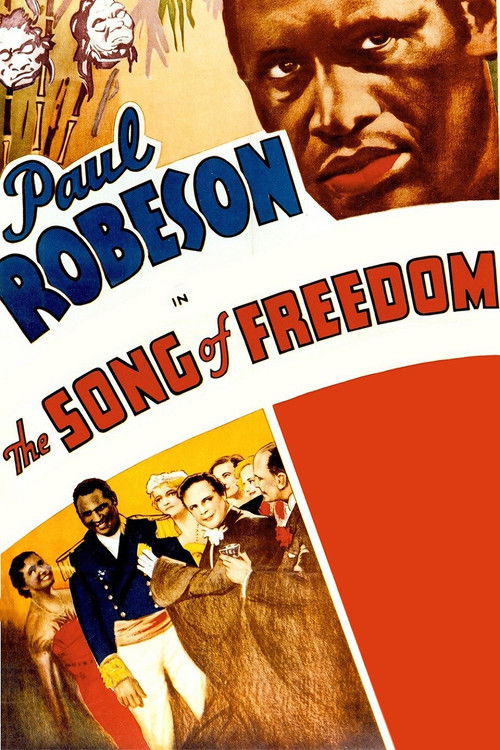
1936

1987
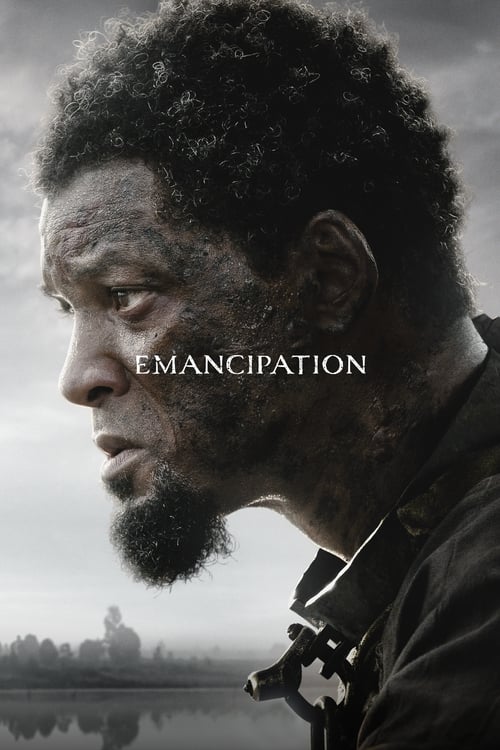
2022

2013
No reviews yet. Be the first to share your thoughts on this movie!
Use the rating form above to leave a star rating and optional review.