
Nothing But a Man
1964
No user ratings available yet
Representation score: 4.4 out of 10
Representation Score
Good
1965
NRDirector
Guy Green
Runtime
105 minutes
Average Rating
No ratings yetNew Showbiz Analysis
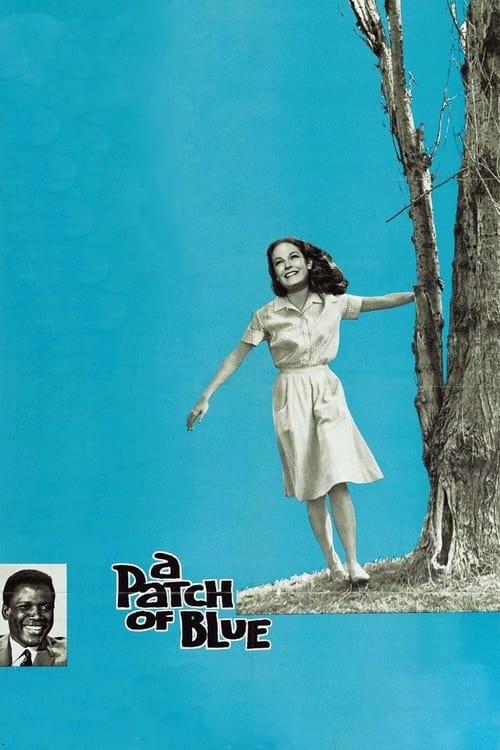
A Patch of Blue stands as a significant historical disruption of mid-century cinematic clichés. By centering a Black protagonist in a position of moral leadership, the film challenges the racial hierarchies of the 1960s. The film successfully integrates disability and gender struggles into a broader critique of systemic oppression. Susan's fight for ability to act is inextricably linked to the racial tensions explored through her bond with Sam. While the film lacks LGBTQ+ representation, its progressive intent regarding race and social institutions makes it a sophisticated study of overlapping identities for its time.
Category Breakdown
The film does not include any LGBTQ+ characters or non-straight relationships.
Susan's journey rejects traditional female roles and seeks self-determination. Her struggle challenges the patriarchal and racially divided society of her time.
The film centers a Black man with significant moral and intellectual influence. It uses their interracial bond to critique the racial caste system of the era.
The narrative critiques Western social institutions, portraying the nuclear family as an engine of oppression. It emphasizes human connection over rigid morality.
Blindness serves as a lens for viewing social barriers. The film treats blindness as a complex identity rather than a tool for emotional manipulation.
Present on Screen
Limited or Absent
Official Synopsis
A blind, uneducated white girl is befriended by a black man, who becomes determined to help her escape her impoverished and abusive home life.
1964

1920

1982

1961

1995

1960
1968

1991
No reviews yet. Be the first to share your thoughts on this movie!
Use the rating form above to leave a star rating and optional review.