The Journey of August King
1995
No user ratings available yet
Representation score: 3.0 out of 10
Representation Score
Fair
1998
PG-13Director
Susanna Styron
Runtime
88 minutes
Average Rating
No ratings yetNew Showbiz Analysis
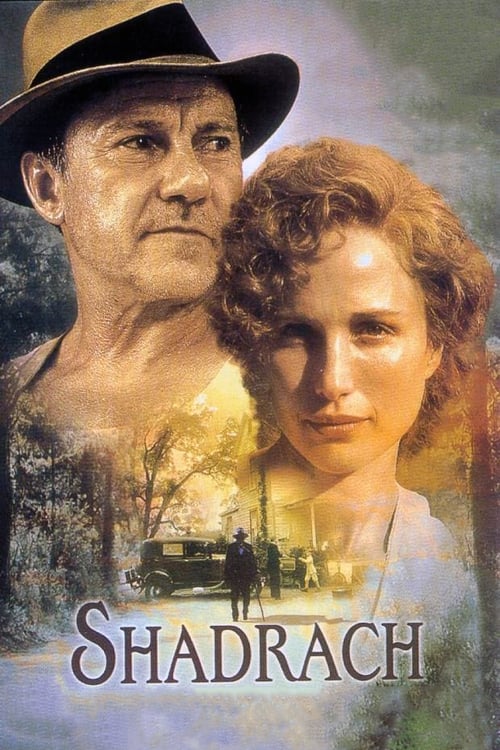
Shadrach is a period drama that finds its strength in centering Black ability to act within the oppressive legal framework of the Jim Crow era. By focusing on a former slave’s personal mission, the film challenges historical narratives that often sideline Black perspectives. While the film excels in critiquing systemic racial oppression and emphasizing human dignity, it offers little insight into LGBTQ+ identities or disability representation. The portrayal of gender roles and women's ability to drive the story remains ambiguous, making it unclear whether the film adheres to or challenges the patriarchal norms of the 1930s South. Overall, the film's impact lies in its confrontation with systemic racial oppression and the pursuit of ancestral connections despite institutional barriers.
Category Breakdown
The film does not explicitly mention LGBTQ+ characters or identities related to sexual orientation. The main focus is on racial and generational conflicts.
Characters like Trixie hint at exploring women's ability to drive the story within a domestic setting. However, it is unclear whether the film challenges or reinforces the patriarchal structures of the 1930s.
The story centers on Shadrach, a Black man, and his quest to reconnect with his birthplace. This places Black autonomy at the heart of the conflict, disrupting typical genre clichés.
The film criticizes the institutions of 1935 Virginia by highlighting laws that obstruct human dignity. It emphasizes personal truth over the strict moral codes of the time.
There is no mention of characters with physical, sensory, or neurodivergent disabilities in the provided context.
Present on Screen
Limited or Absent
Official Synopsis
In 1935, 99-year-old former slave Shadrach asks to be buried on the soil where he was born to slavery, and that land is owned by the large Dabney family, consisting of Vernon, Trixie and their seven children, and to bury a black man on that land is a violation of strict Virginia law.
1995
1997
1972
2005
2000
2010
1989
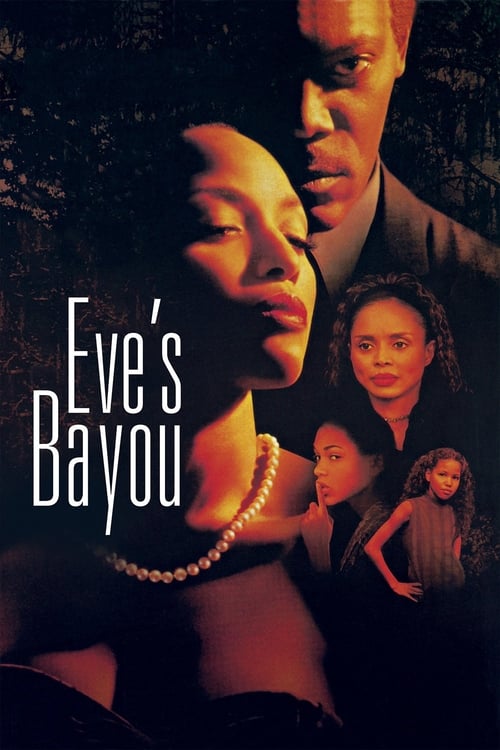
1997
No reviews yet. Be the first to share your thoughts on this movie!
Use the rating form above to leave a star rating and optional review.