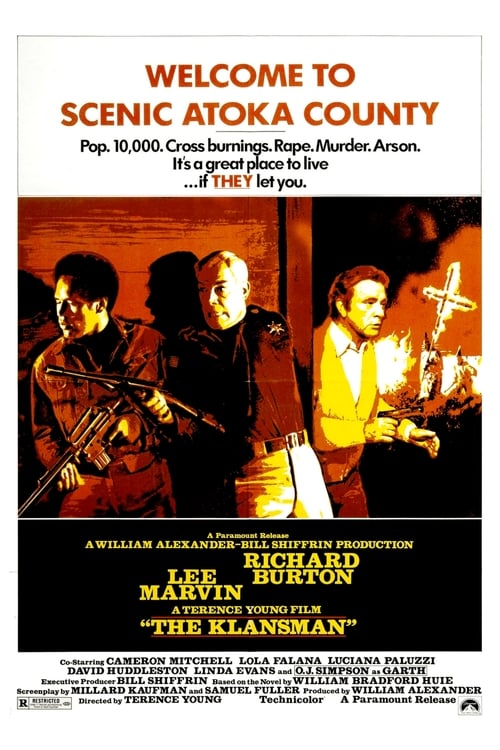
The Klansman
1974
No user ratings available yet
Representation score: 3.9 out of 10
Representation Score
Fair
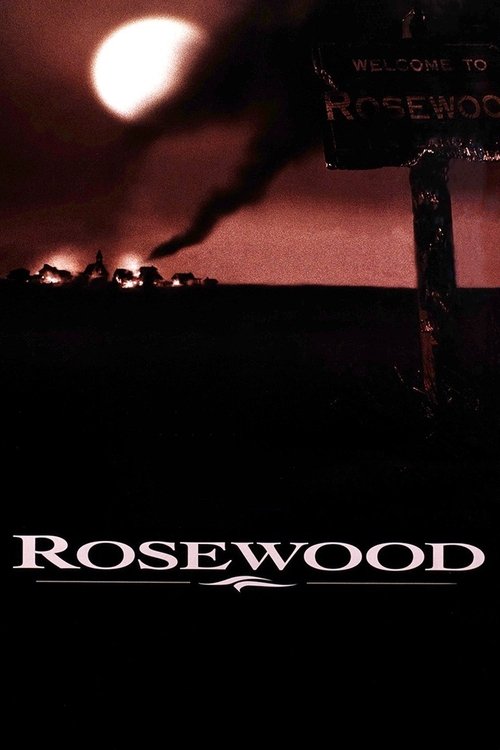
1997
RDirector
John Singleton
Runtime
142 minutes
Average Rating
No ratings yetNew Showbiz Analysis
Rosewood is a powerful piece of historical reconstruction that challenges conventional American narratives. It refuses to normalize the status quo, instead deconstructing the systemic failures of the Jim Crow era. The film's core strength lies in its intentionality in portraying the breakdown of institutional authority. While it excels in racial and cultural representation, it remains limited by the social constraints of its period setting, resulting in a lack of visibility for LGBTQ+ identities and disabilities. Ultimately, the film functions as a vital interrogation of historical power structures, providing deep ability to act to characters of color, ensuring they drive the emotional and structural core of the story.
Category Breakdown
The film focuses strictly on the historical realities of the 1923 racial massacre and does not include any representation of LGBTQ+ identities or non-conforming gender expressions.
The narrative portrays a nuanced view of gender through the lens of communal survival. It challenges the passive female cliché by highlighting the strength required of women navigating systemic racial violence.
This film serves as a profound exploration of racial ability to act. By centering a predominantly Black cast, it disrupts Hollywood tendencies to view minority characters through a lens of dependency.
The film provides a significant critique of traditional Western institutions. It portrays the legal system and local authorities as complicit or ineffective entities rather than protectors.
There are no prominent characters whose arcs are defined by visible or invisible disabilities.
Present on Screen
Limited or Absent
Official Synopsis
Spurred by a white woman's lie, vigilantes destroy a black Florida town and slay inhabitants in 1923.
1974
1996
2020
1915

2003
1990
1996
1950
No reviews yet. Be the first to share your thoughts on this movie!
Use the rating form above to leave a star rating and optional review.