Nightjohn
1996
No user ratings available yet
Representation score: 4.7 out of 10
Representation Score
Fair
2000
Director
James Keach
Runtime
115 minutes
Average Rating
No ratings yetNew Showbiz Analysis
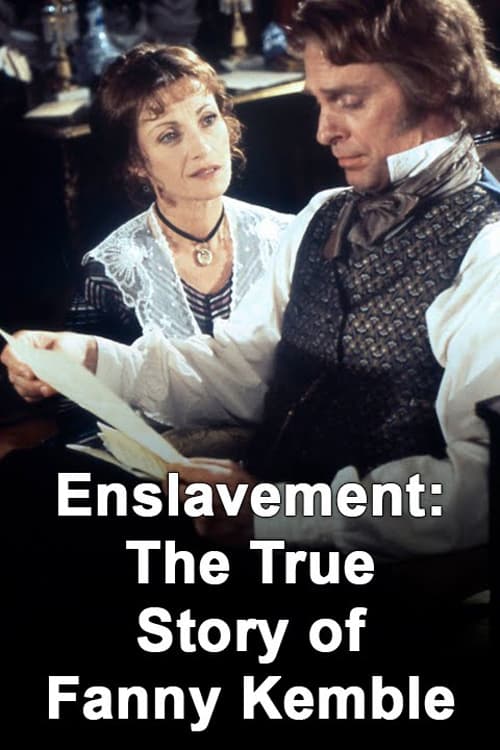
The film succeeds by deconstructing the romanticized myths of the antebellum South. It replaces traditional period-piece clichés with a critical examination of systemic violence and racial oppression. By centering on a female protagonist who challenges institutional cruelty, the narrative provides a strong foundation for exploring individual ability to act against systemic injustices. While the film offers visibility to the enslaved population, the narrative lens remains tied to Kemble's observations, creating a tension between documenting historical reality and maintaining a specific biographical focus.
Category Breakdown
The film does not include any LGBTQ+ characters or narratives. The story centers on the heterosexual marriage between Kemble and Butler, which drives its social themes.
Fanny Kemble is portrayed as having significant intellectual and moral decision-making. She challenges 19th-century hierarchies by defying her husband and questioning patriarchal plantation structures.
The film highlights the dehumanization of enslaved Black characters but often views their experiences through Kemble's perspective.
The film criticizes the religious and agrarian justifications used to uphold slavery. It portrays the Southern social order as a corrupt and systemic injustice.
There is no significant evidence regarding the portrayal of physical or neurodivergent disabilities in this work.
Present on Screen
Limited or Absent
Official Synopsis
Fanny Kemble is a famous star of the English stage, but while touring the United States, she gives up her career to marry wealthy American Pierce Butler. Moving with him from Philadelphia to his Georgia plantation, Fanny sees slavery firsthand, and her outrage leads her to help the family's slaves in open defiance of her spouse. Undaunted by the consequences, Fanny eventually writes a book that strengthens the anti-slavery movement.
1996
2005
2000
2006
1974
2013
1987
2016
No reviews yet. Be the first to share your thoughts on this movie!
Use the rating form above to leave a star rating and optional review.