
Twin Blades of Doom
1969
No user ratings available yet
Representation score: 2.1 out of 10
Representation Score
Minimal
1980
RDirector
Robert Houston, Kenji Misumi
Runtime
85 minutes
Average Rating
No ratings yetNew Showbiz Analysis
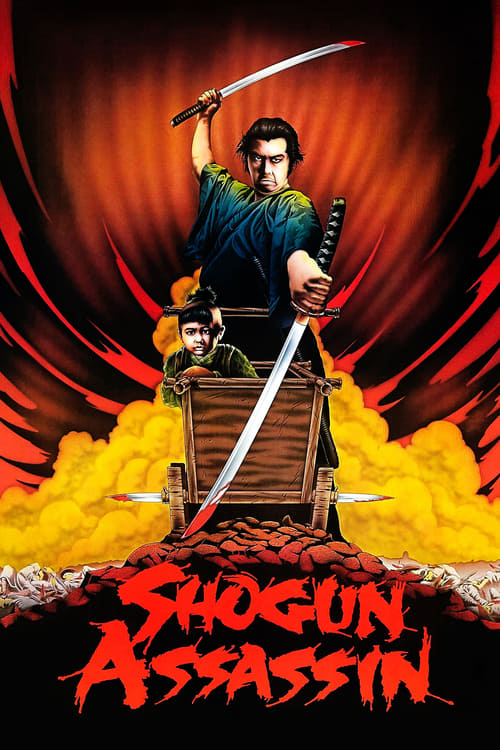
Shogun Assassin is a traditionalist period piece that prioritizes historical genre clichés and martial codes over modern multi-layered narratives. It functions as a study of established social hierarchies rather than a critique of them. The film provides an authentic cultural lens into feudal Japanese life through its predominantly Japanese cast. However, it lacks intentionality regarding gender, identity, or the representation of underrepresented groups. Ultimately, the work reinforces patriarchal structures and rigid gender roles, offering little room for diverse perspectives or challenging the status quo.
Category Breakdown
The film strictly follows the assumption that everyone is straight and cisgender within feudal Japan. There is no presence of non-traditional gender identities or same-sex intimacy.
Narrative ability to act is almost exclusively male, centered on the samurai warrior class. Women serve primarily as catalysts for male vengeance rather than as autonomous characters.
The cast is predominantly Japanese, offering cultural authenticity to the period setting. However, the film presents a homogeneous landscape without mixing different backgrounds.
The story is deeply rooted in traditionalist values like loyalty and the samurai code. It respects the ritualistic social structures of the era.
There are no depictions of physical or neurodivergent disabilities. Characters are defined solely by their martial prowess and physical capability.
Present on Screen
Limited or Absent
Official Synopsis
A Shogun who grew paranoid as he became senile sent his ninjas to kill his samurai. They failed but did kill the samurai’s wife. The samurai swore to avenge the death of his wife and roams the countryside with his toddler son in search of vengeance.
1969
1972
1972
1995
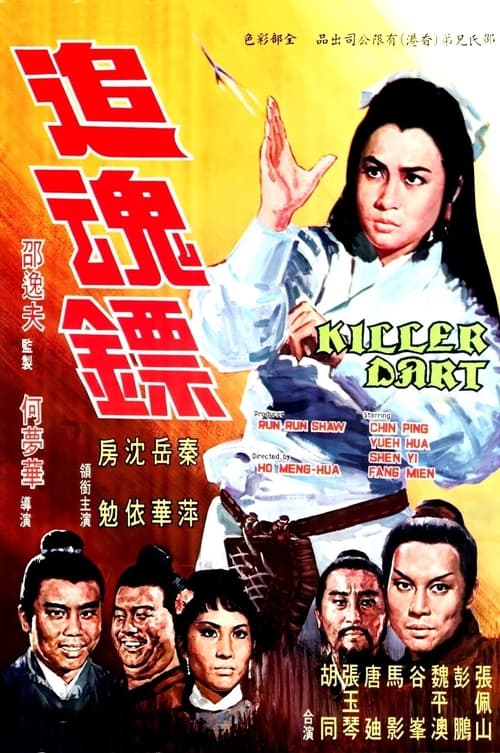
1968
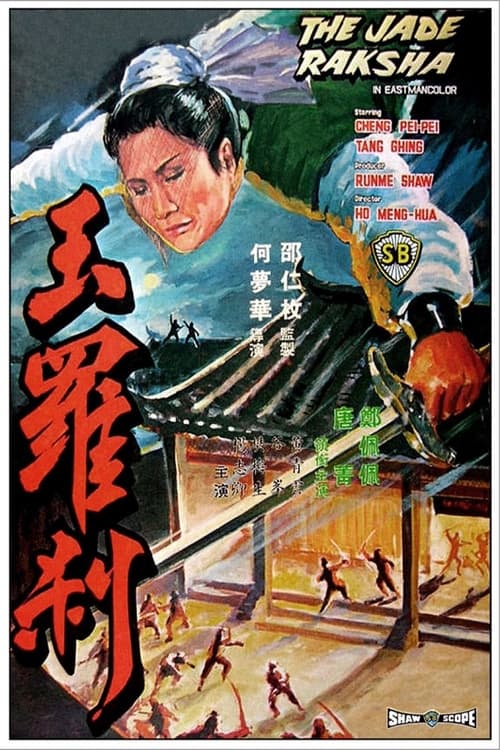
1968
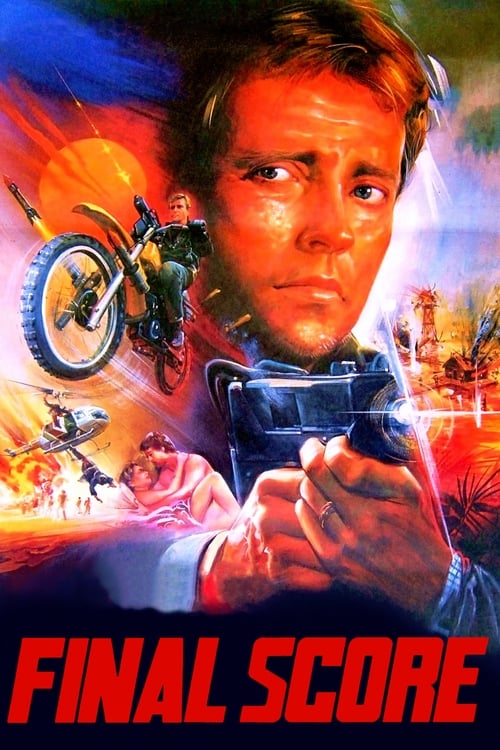
1986
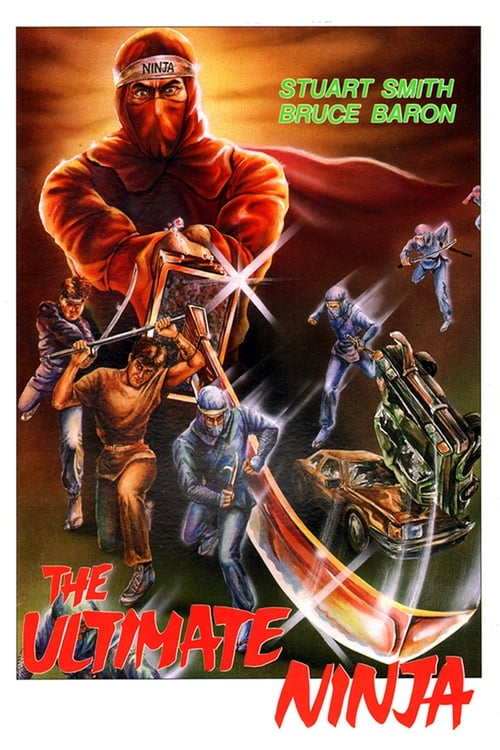
1987
No reviews yet. Be the first to share your thoughts on this movie!
Use the rating form above to leave a star rating and optional review.