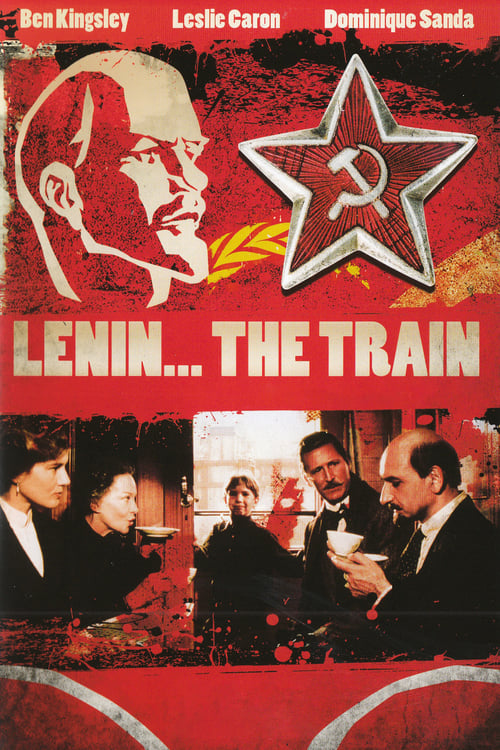
Lenin: The Train
1988
No user ratings available yet
Representation score: 2.8 out of 10
Representation Score
Limited
1988
Director
Grigori Nikulin
Runtime
588 minutes
Average Rating
No ratings yetNew Showbiz Analysis
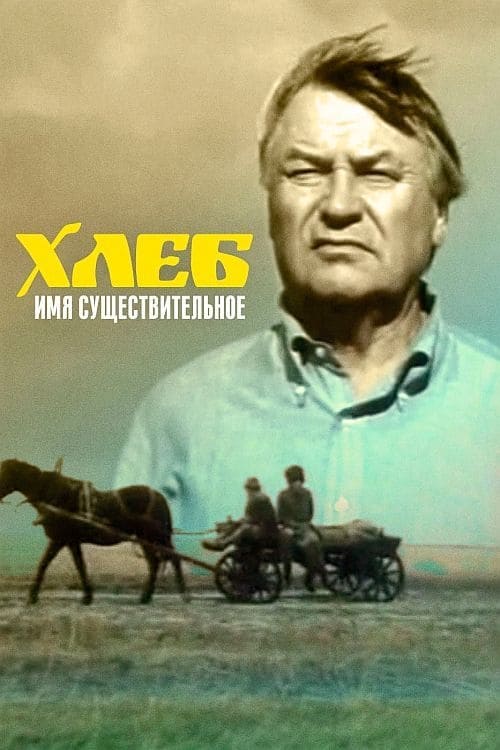
Bread (1988) is a historical drama that prioritizes a critique of systemic oppression over modern characters who reflect more than one aspect of diversity. Its strength lies in its cultural deconstruction of state authority and the human cost of political shifts. The film lacks visibility for LGBTQ+ identities and specific disability representation. While it captures the ethnic landscape of the Russian peasantry, it focuses more on class struggle than on a diverse, multi-ethnic cast. Ultimately, the work functions as a social realist critique of the Stalinist era, emphasizing the struggle of the individual against a devastating political machine.
Category Breakdown
The film does not include any characters with non-straight or non-cisgender identities. It focuses on the agrarian struggles and political changes during a historical period that emphasizes traditional family structures.
Women likely appear as key figures in communal survival and endurance during the revolution. However, it is unclear whether the film challenges or reinforces traditional views of women’s roles.
The story centers on the Russian peasantry and the Volga region. While it reflects regional ethnicities, the focus is more on socio-economic class than on a diverse range of ethnic backgrounds.
The film provides a strong critique of centralized power and state institutions. It portrays the communist government as an oppressive force causing national disaster and personal suffering.
There is no specific mention of physical or neurodivergent disabilities in the narrative.
Present on Screen
Limited or Absent
Official Synopsis
Set around the Volga river, the story begins around 1900, when Russian peasants are let free and allowed to own their farmlands. But soon they suffer from losses during the 1917 Russian Revolution and the following Civil War. Then, the major national catastrophe is started by Stalin: his communist government kills millions of farmers and steals all their food supplies, causing the longest and deadliest famine all over central Russia during the 1920s and 1930s.
1988
2020
1918
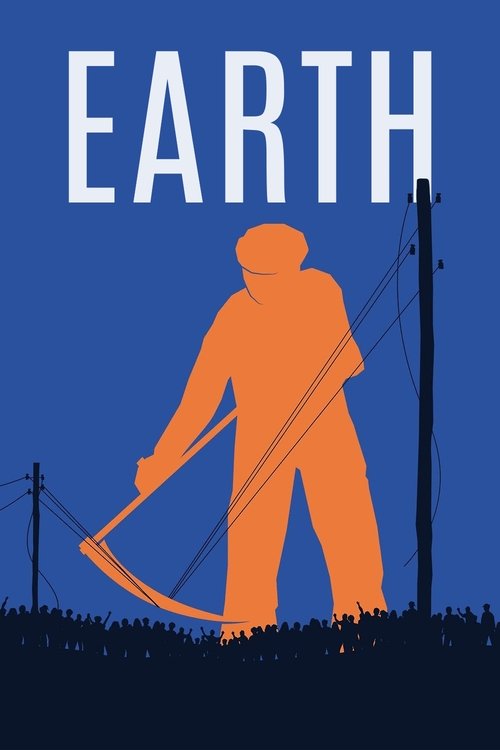
1930

1957
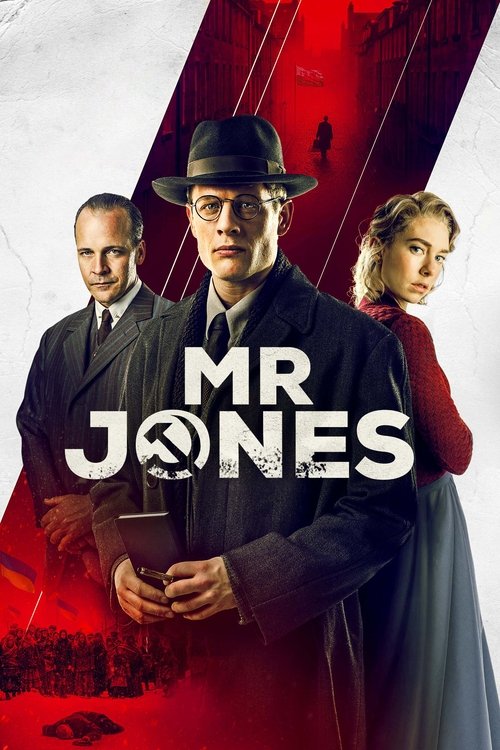
2019
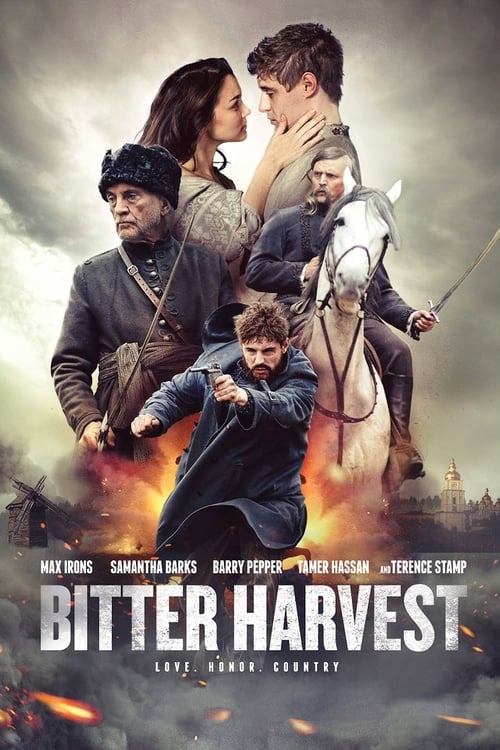
2017
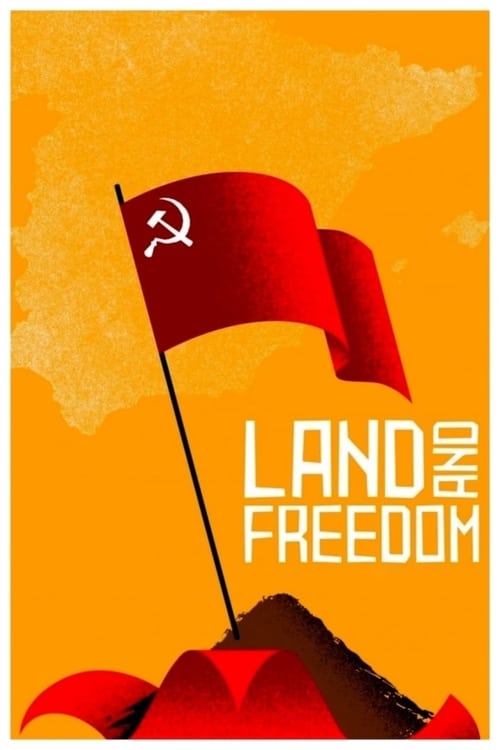
1995
No reviews yet. Be the first to share your thoughts on this movie!
Use the rating form above to leave a star rating and optional review.