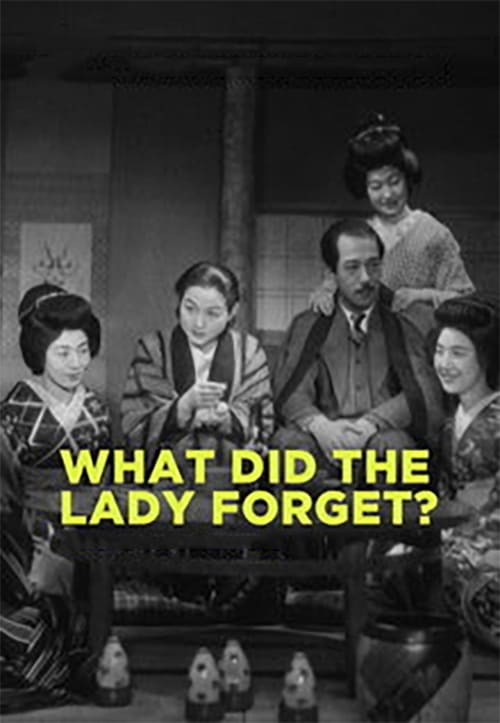
What Did the Lady Forget?
1937
No user ratings available yet
Diversity score: 6.1 out of 10

1957
Director
Yasuzō Masumura
Runtime
89 minutes
Average Rating
No ratings yetSynopsis
Yuko is sent to the coastal regions to be raised away from the rest of her sophisticated family where she finds out from her ill grandmother that she is not who she thought she was.
Overall Score
Fair
Category Breakdown
LGBTQ+ Representation
The film lacks explicit evidence of LGBTQ+ characters or non-heteronormative identities. While the director often explores unconventional dynamics, no queer narratives are confirmed here.
Gender Representation
Yuko serves as a central female protagonist navigating a major identity crisis. Her journey from a sophisticated environment to a rugged coast suggests significant female agency.
Racial & Ethnic Diversity
This 1957 Japanese production reflects the demographic realities of its era. It offers a non-Western perspective that exists outside of Anglo-Saxon cinematic hegemony.
Religious & Cultural Diversity
The story critiques class structures through the deconstruction of Yuko's perceived lineage. The shift from high society to coastal life subverts inherited social status.
Disability Representation
There is no information regarding characters with physical, sensory, or neurodivergent disabilities in this work.
Strengths
Areas for Improvement
AI Analysis
The film functions as a character-driven study of identity disruption. It centers on a woman’s reclamation of her own history against the backdrop of family secrets. This narrative architecture aligns with progressive themes of individual agency and the questioning of established social hierarchies. While the film lacks explicit intersectional markers found in contemporary media, it moves beyond passive archetypes. The focus remains on the protagonist's personal discovery and the instability of social standing.
1937
2011
2011

2004
1962
2013
1968

1936
1947

1999

1960
1958
No reviews yet. Be the first to share your thoughts on this movie!
Use the rating form above to leave a star rating and optional review.