
Diary of a Shinjuku Thief
1969
No user ratings available yet
Representation score: 7.4 out of 10
Representation Score
Good
1968
Director
Nagisa Ōshima
Runtime
80 minutes
Average Rating
No ratings yetNew Showbiz Analysis
Nagisa Ōshima employs the tension of ethnic misidentification to challenge perceptions of national belonging. By focusing on the social friction surrounding Korean identity, the film serves as a critique of systemic exclusion and the status quo. The work emphasizes identity politics and the conflict between the individual and the state. This approach shifts away from harmonious storytelling towards a more complex, morally relative view of social order. While the film excels in racial and cultural commentary, it provides limited insight into gender roles or LGBTQ+ representation. The focus remains heavily on the sociopolitical context of the time.
Category Breakdown
The film does not provide explicit examples of characters exploring queer identities or non-traditional gender roles. The storyline focuses more on ethnic identity and social tensions.
The story revolves around a male-dominated student environment. While there is no detailed depiction of female empowerment, the film hints at breaking away from traditional gender roles and social expectations.
The plot uses the mistaken identification of students as Korean to challenge perceptions of a homogeneous national identity. This highlights the experiences of a underrepresented minority group in 1968 Japan.
The film critiques nationalistic norms and social structures. It leverages the friction between the majority and underrepresented groups to challenge established social hierarchies and state-imposed hierarchies.
There is no indication of the portrayal of physical or neurodivergent disabilities within the narrative.
Present on Screen
Limited or Absent
Official Synopsis
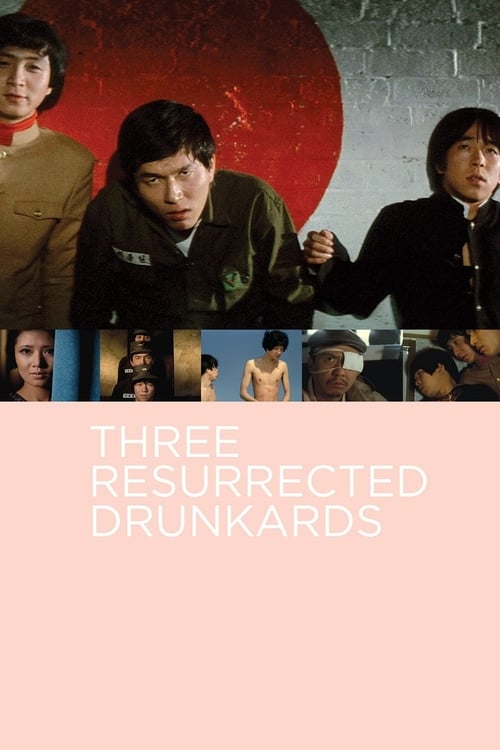
Three students spend their holidays at the seaside where they are mistaken for Koreans, a minority which is looked down on in Japan. The action develops into a crime story.
1969

1968
1993

1969

1958
1935

2016

1977
No reviews yet. Be the first to share your thoughts on this movie!
Use the rating form above to leave a star rating and optional review.