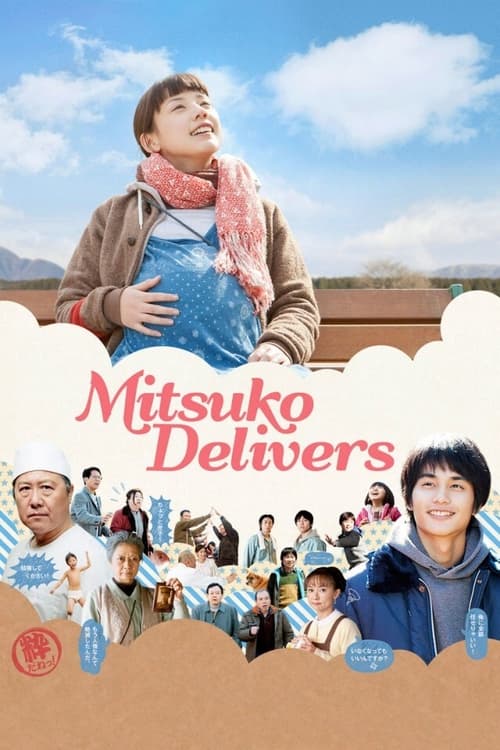
Mitsuko Delivers
2011
No user ratings available yet
Representation score: 5.9 out of 10
Representation Score
Fair
2011
Director
SABU
Runtime
114 minutes
Average Rating
No ratings yetNew Showbiz Analysis
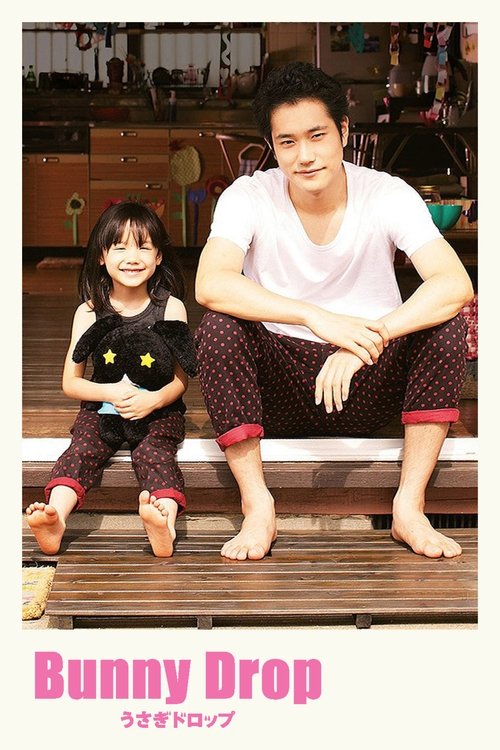
Bunny Drop is a detailed look at unconventional family life. While it doesn’t focus on identity-based casting, the story structure challenges traditional family units and masculine roles. By focusing on a single, unattached man raising a child, the film shifts away from typical social norms. This approach provides a subtle critique of conservative social frameworks. Overall, the film stands out by breaking down traditional views of stability and leadership, presenting a more progressive view of social responsibility and family.
Category Breakdown
The film doesn't show LGBTQ+ identities or non-straight relationships directly. However, it explores non-traditional family structures, which offer a subtle look at identities beyond the typical nuclear family setup.
Daikichi breaks traditional gender roles by taking on a primary caregiving role. This portrayal of a man in a domestic role challenges conventional ideas about masculinity and caregiving.
The film features a predominantly Japanese cast. It focuses on social hierarchies within a specific cultural context rather than diverse ethnic representation or racial blending.
The story criticizes traditional family institutions by showing the extended family as judgmental. Daikichi chooses to prioritize his own decisions over family pressure, suggesting a modern stance against strict social rules.
There are no characters with visible or invisible disabilities that play a key role in the story or plot development.
Present on Screen
Limited or Absent
Official Synopsis
Daikichi learns that his recently deceased grandfather has an illegitimate daughter with an unknown mother. The girl's name is Rin and she is just 6 years old. Everybody in Daikichi's family looks at the girl as an embarrassment and wants no part of her. Disgusted by his family's attitude, Daikichi decides to raise Rin by himself, even though he has no experience raising a child and is still single.
2011

2017
2010

2001
2010

2021
2019

1974
No reviews yet. Be the first to share your thoughts on this movie!
Use the rating form above to leave a star rating and optional review.