Odd Obsession
1959
No user ratings available yet
Diversity score: 5.7 out of 10
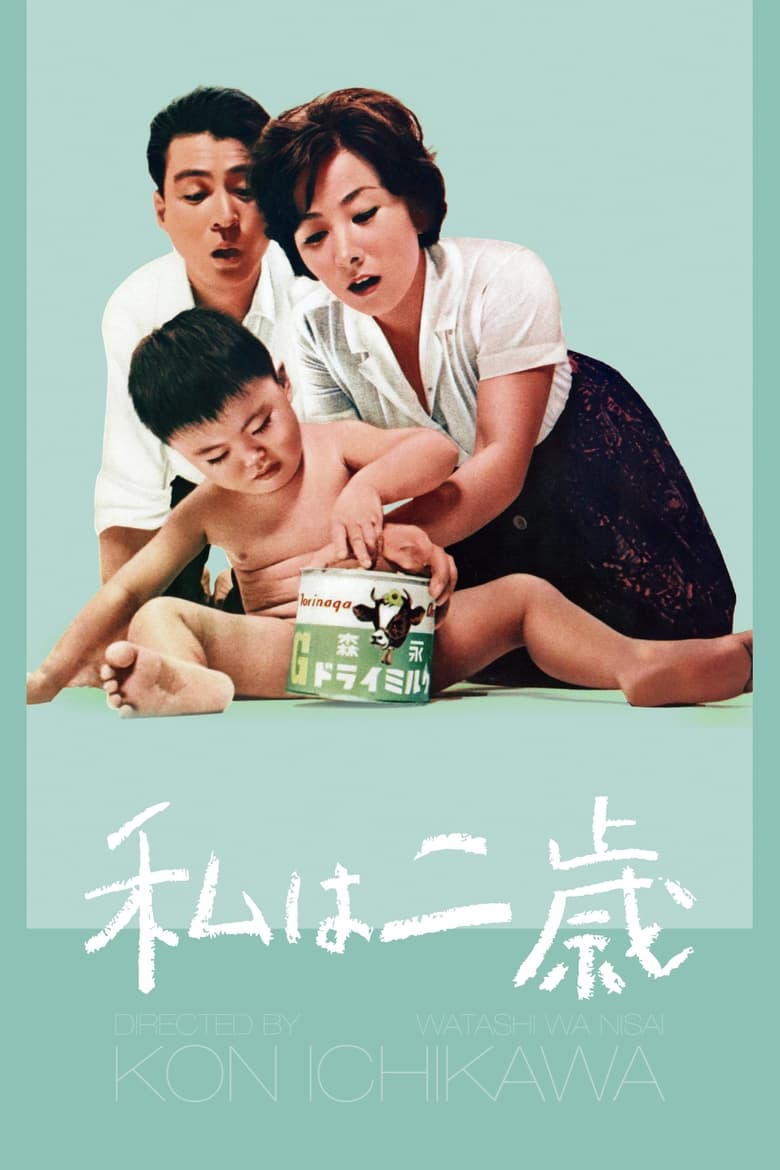
1962
Director
Kon Ichikawa
Runtime
88 minutes
Average Rating
No ratings yetSynopsis
The days leading up to a toddler's second birthday are seen alternately from the child's point of view as well as that of his parents.
Overall Score
Fair
Category Breakdown
LGBTQ+ Representation
The film lacks explicit LGBTQ+ characters or non-cisnormative identities. The narrative focuses on the developmental stages of a toddler and parental perspectives.
Gender Representation
The dual-perspective structure offers a nuanced look at domestic roles. However, the film operates within conventional 1960s Japanese familial structures without explicitly disrupting gender hierarchies.
Racial & Ethnic Diversity
This is a culturally homogeneous Japanese production. It features a Japanese cast and setting without multi-ethnic casting or interracial dynamics.
Religious & Cultural Diversity
The film challenges singular perspectives by utilizing a child's subjective experience. This shifts focus away from adult-centric authority toward a more relativist view of truth.
Disability Representation
There is no evidence of characters with visible or invisible disabilities. Neurodivergence or chronic illness are not central to the narrative.
Strengths
Areas for Improvement
AI Analysis
Kon Ichikawa’s film is a character-driven study that prioritizes psychological subjectivity over broad social commentary. By alternating between the child's and the parents' viewpoints, the film disrupts the traditional, authoritative adult gaze. While the work lacks the intersectional complexity or explicit identity-based representation found in modern progressive cinema, it succeeds as an empathetic exploration of developmental identity. It functions more as a domestic psychological study than a tool for systemic social subversion.
1959
2018
2018
2011

2020

2018

1957

2016

1994
1986
2011

1936
No reviews yet. Be the first to share your thoughts on this movie!
Use the rating form above to leave a star rating and optional review.