Toilet
2010
No user ratings available yet
Representation score: 8.0 out of 10
Representation Score
Good
1999
Director
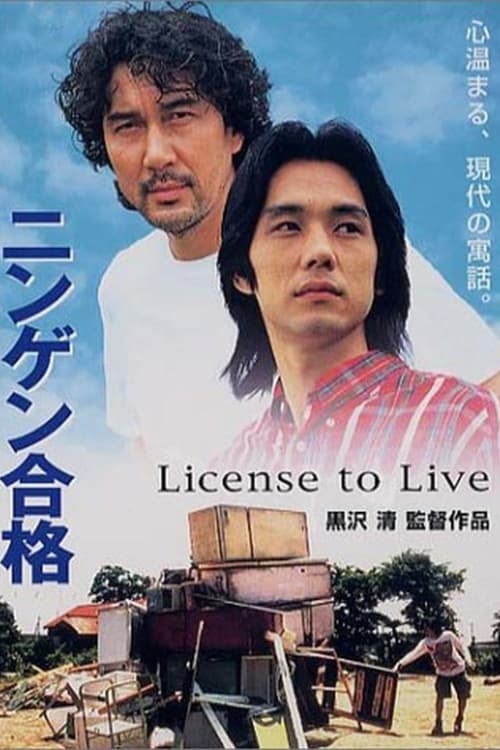
Kiyoshi Kurosawa
Runtime
110 minutes
Average Rating
No ratings yetNew Showbiz Analysis
Kiyoshi Kurosawa’s drama focuses on the dissolution of the nuclear family and the instability of social structures. By following a man emerging from a ten-year coma, the film explores themes of temporal displacement and social atomization. The narrative avoids reinforcing traditional domestic stability, instead highlighting the geographic and emotional distance between family members. This creates a landscape where traditional roles and agrarian lifestyles are shown to be in decline. While the film lacks explicit representation of multiple aspects of identity, its core strength lies in its thematic deconstruction of social norms and the struggle for individual ability to act amidst systemic fragmentation.
Category Breakdown
The film does not explicitly represent LGBTQ+ identities or non-straight relationships. While it explores fragmented relationships, there is no clear depiction of non-straight or non-cisgender characters.
The story looks at the breakdown of traditional patriarchal roles. The mother and sister have independent lives, suggesting a move away from the central domestic female clichés.
As a Japanese production, the cast appears ethnically uniform. There is no indication of diverse casting or actors playing roles traditionally associated with different ethnicities.
The film deconstructs the ideal of the ancestral home. It portrays the erosion of traditional agrarian lifestyles and the decay of stable social institutions.
The plot centers on a protagonist recovering from a decade-long coma. It offers a study of neuro-social reintegration and the actions of someone facing profound physical trauma.
Present on Screen
Limited or Absent
Official Synopsis
Having fallen into a coma following a car accident at 14, Yutaka wakes ten years later and realizes that his family is no longer intact: father, mother and sister live at different places, so he decides to reopen the farm that his family once ran.
2010

2011

2010

1995
2011

2020

2018
2018
No reviews yet. Be the first to share your thoughts on this movie!
Use the rating form above to leave a star rating and optional review.