Windows
1974
No user ratings available yet
Representation score: 2.9 out of 10
Representation Score
Fair
1978
Not RatedDirector
Peter Greenaway
Runtime
45 minutes
Average Rating
No ratings yetNew Showbiz Analysis
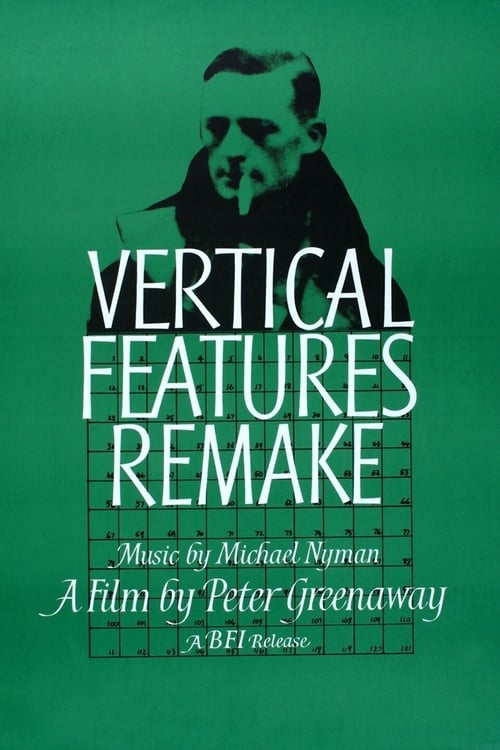
Vertical Features Remake is a meta-cinematic experiment that prioritizes structuralist theory over character-driven storytelling. Focusing on the assembly of landscape footage and institutional processes, the film lacks the interpersonal dynamics needed to evaluate social identity markers like race or gender. However, the film excels in cultural subversion. By questioning the stability of historical truth and the authority of the 'author,' it disrupts traditional Western narrative hierarchies. It is a work of formal complexity that prioritizes theoretical inquiry over conventional representation. Ultimately, the film's diversity lies in its structural defiance rather than its cast. It challenges the standard cinematic experience through fragmentation and the deconstruction of the image.
Category Breakdown
The film emphasizes the assembly of footage and theoretical concepts rather than romantic relationships. It does not include specific LGBTQ+ identities or critiques of heteronormativity.
The narrative centers on institutional processes and theoretical frameworks rather than gendered roles. It avoids traditional masculine or feminine archetypes by focusing on landscape features and film mechanics.
Set within the English landscape, the film adheres to a traditional European aesthetic. There is no indication of non-Anglo-Saxon characters or diverse casting.
The film successfully challenges traditional cultural narratives by deconstructing authoritative film through a postmodern lens. It questions historical truth and institutional authority via the fictional Institute.
The film does not provide any information regarding the portrayal of physical or neurodivergent identities.
Present on Screen
Limited or Absent
Official Synopsis
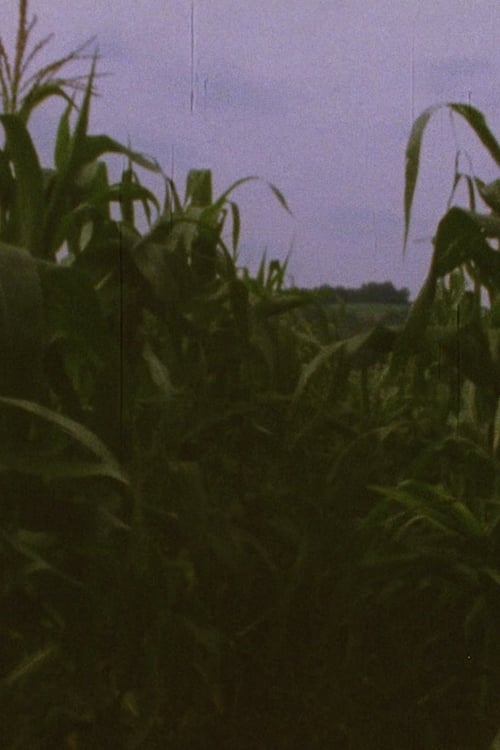
Vertical Features Remake is a film by Peter Greenaway. It portrays the work of a fictional Institute of Reclamation and Restoration as they attempt to assemble raw footage taken by ornithologist Tulse Luper into a short film, in accordance with his notes and structuralist film theory. The footage consists mostly of vertical landscape features, such as trees and posts, shot in the English landscape.
1974
2003
1978
1982
1985
1953
1973
1974
No reviews yet. Be the first to share your thoughts on this movie!
Use the rating form above to leave a star rating and optional review.