Matta '85
1985
No user ratings available yet
Representation score: 6.2 out of 10
Representation Score
Fair
1986
NRDirector
Jean-Pierre Gorin
Runtime
81 minutes
Average Rating
No ratings yetNew Showbiz Analysis
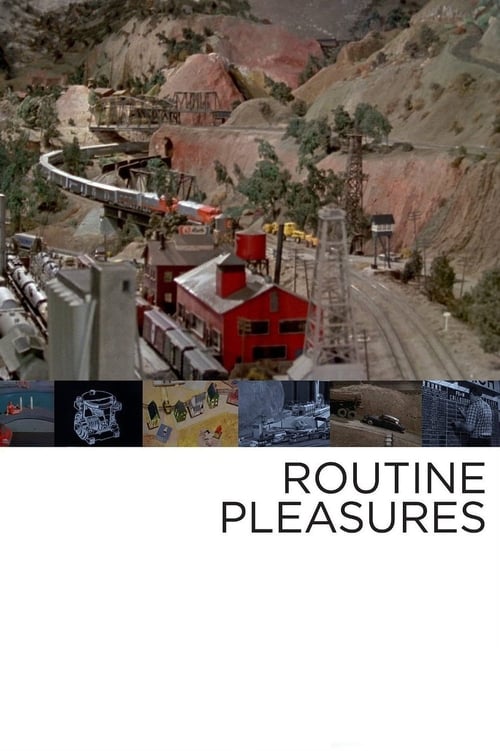
Routine Pleasures is a specialized ethnographic study that highlights intellectualism and niche hobbies over broad social representation. While Jean-Pierre Gorin’s background suggests a potential for systemic critique, the film's focus on model railroading and artistic mentorship does not provide many multi-layered markers. The documentary disrupts traditional documentary clichés by focusing on small, secular pleasures rather than grand historical events. However, its narrow focus results in limited visible diversity across gender, race, and sexual orientation. Ultimately, the film offers an intimate look at specific interests and intellectual relationships, making it a highly specialized work rather than a broad social commentary.
Category Breakdown
The film does not explicitly depict LGBTQ+ characters or explore non-straight identities. The story focuses on a specific hobby and mentorship.
The story centers around a hobby dominated by men and a mentorship between two men. There is no visible evidence of women taking a leading role or challenging traditional gender roles.
The documentary focuses on a specific interest group and lacks diverse casting or characters who reflect more than one aspect of diversity.
The film prioritizes secular, everyday experiences over traditional or heroic historical narratives. It emphasizes individual intellectual pursuits and the details of daily life.
There is no information about the depiction of physical or neurodivergent disabilities in this work.
Present on Screen
Limited or Absent
Official Synopsis
Jean-Pierre Gorin interacts with a club of model railroad train enthusiasts and his mentor, artist/writer Manny Farber.
1985

1961

1968
1978
1991
2003

1967
2016
No reviews yet. Be the first to share your thoughts on this movie!
Use the rating form above to leave a star rating and optional review.