
Andrei Tarkovsky: A Poet in the Cinema
1984
No user ratings available yet
Diversity score: 4.8 out of 10
1988
Director
Michał Leszczyłowski
Runtime
102 minutes
Average Rating
No ratings yetSynopsis
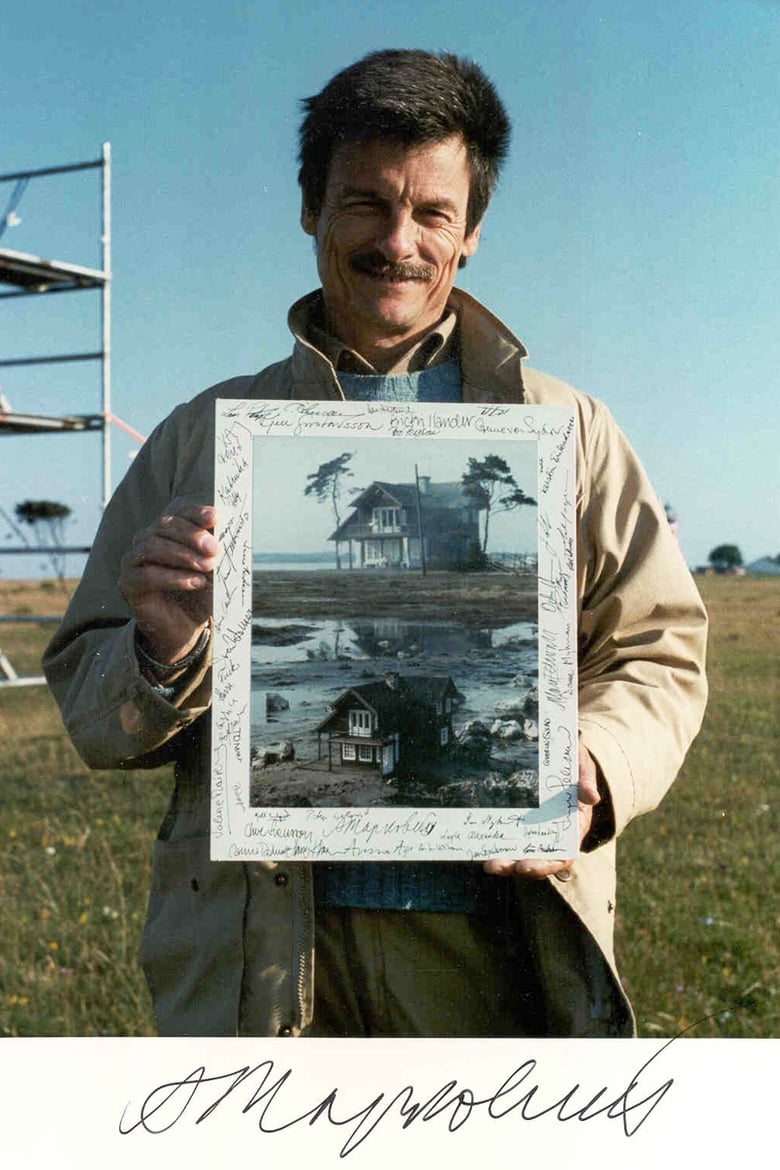
This documentary offers a rare glimpse of the legendary Soviet filmmaker, Andrei Tarkosvky, at work. Tarkovsky made only seven films in his brief, but brilliant, career; Michal Leszczylowski's respectful movie chronicles him at work on his last film, The Sacrifice. Offering insight into Tarkovsky's working methods and transcendental aesthetics, the movie is a compelling account of the difficulties of film production. In the case of an uncompromising and visionary filmmaker like Tarkovsky, the practical problems of filmmaking are only magnified, as cast and crew struggle to realize the ambitious concepts in Tarkovsky's mind.
Overall Score
Fair
Category Breakdown
LGBTQ+ Representation
The documentary focuses on the technical and philosophical aspects of film production. It lacks explicit depictions of LGBTQ+ characters or non-cisnormative identities within this archival context.
Gender Representation
The film centers on Tarkovsky's visionary direction during the production of The Sacrifice. While his work often disrupts traditional hierarchies, the documentary reflects a standard professional production environment.
Racial & Ethnic Diversity
The production reflects the demographic homogeneity of the late 1980s Soviet era. There is no evidence of intentional ethnic blending or diverse casting within the documented crew.
Religious & Cultural Diversity
Tarkovsky’s transcendental aesthetics prioritize spiritual inquiry over secular or state-mandated ideologies. The film explores individual truth and the struggle against systemic constraints through a metaphysical lens.
Disability Representation
There is no evidence regarding the portrayal of physical or neurodivergent disabilities in this documentary.
Strengths
Areas for Improvement
AI Analysis
The documentary serves as a specialized observational study of Andrei Tarkovsky's creative process. It excels in cultural depth by highlighting a narrative of spiritual agency and metaphysical inquiry that challenges the materialist norms of its era. However, the film lacks demographic breadth. The cast and crew reflect the era's homogeneity, and there is a notable absence of explicit representation regarding gender, race, or LGBTQ+ identities. Ultimately, the work functions more as a philosophical exploration than a diverse social tapestry, trading demographic variety for deep cultural and spiritual subversion.
1984
2019
1982
1995

2007
1971

2017
2018
2004
1997
2003
2013
No reviews yet. Be the first to share your thoughts on this movie!
Use the rating form above to leave a star rating and optional review.