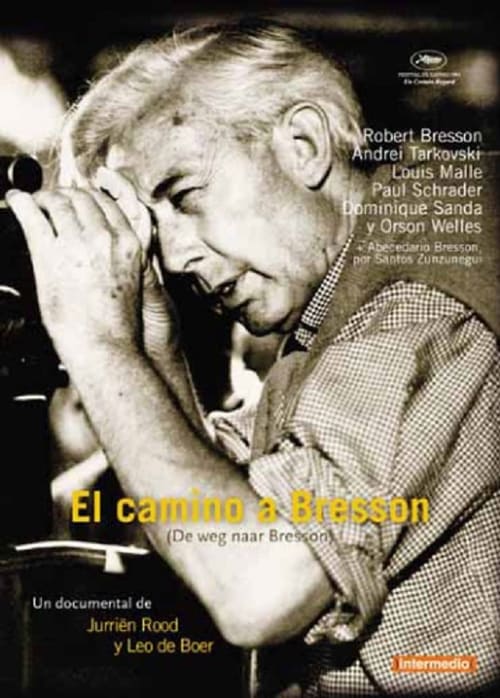
The Road to Bresson
1984
No user ratings available yet
Representation score: 3.9 out of 10
Representation Score
Fair
1968
Director
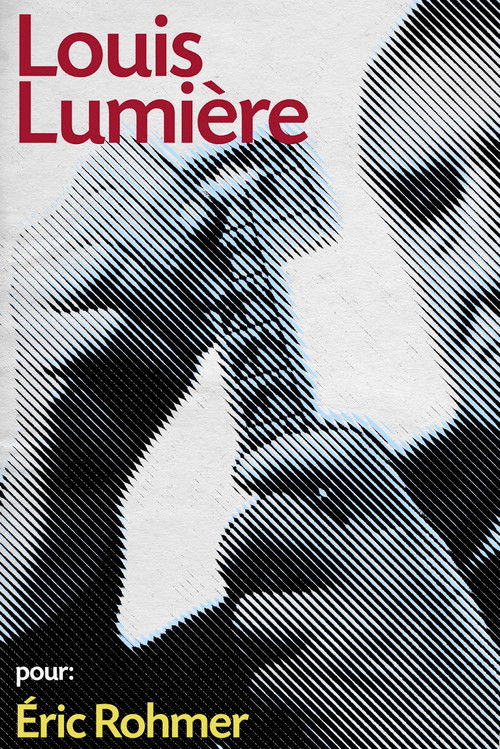
Éric Rohmer
Runtime
66 minutes
Average Rating
No ratings yetNew Showbiz Analysis
Louis Lumière is a specialized work of cinematic historiography. It prioritizes the preservation and analysis of filmic origins over the exploration of diverse identities. The film's structure is built around a high-level scholarly conversation between three titans of film history. Because the narrative centers on aesthetic and historical theory, identity-based politics remain secondary. The work functions as an academic exchange rather than a character-driven exploration of social dynamics. The low diversity score reflects a narrow, Eurocentric focus. While the film does not promote harmful stereotypes, it remains confined to a specific era of Western film history and a predominantly male intellectual composition.
Category Breakdown
The film focuses on a scholarly discussion among filmmakers, without featuring explicit LGBTQ narratives. However, the French New Wave context often challenges traditional social norms.
The participants represent a traditional masculine intellectual circle. The conversation centers on the male-dominated history of early cinema and the Lumière legacy, lacking women's ability to drive the story.
This is a localized European intellectual study. The discussion is rooted in Western cinema history, with no evidence of diverse casting.
The film promotes secular humanism by prioritizing cinematic art over religious or nationalist dogma. The dialogue critiques how history is recorded and perceived through a postmodern lens.
There is no evidence regarding the portrayal of physical or neurodivergent disabilities within this documentary.
Present on Screen
Limited or Absent
Official Synopsis
Eric Rohmer leads a conversation with Jean Renoir and Henri Langlois on the art of filmmaker Louis Lumière.
1984
1961
1965
2008

2004
2016
1990
2005
No reviews yet. Be the first to share your thoughts on this movie!
Use the rating form above to leave a star rating and optional review.