
Hokusai
1953
No user ratings available yet
Diversity score: 5.6 out of 10
1984
Not RatedDirector
Hiroshi Teshigahara
Runtime
72 minutes
Average Rating
No ratings yetSynopsis
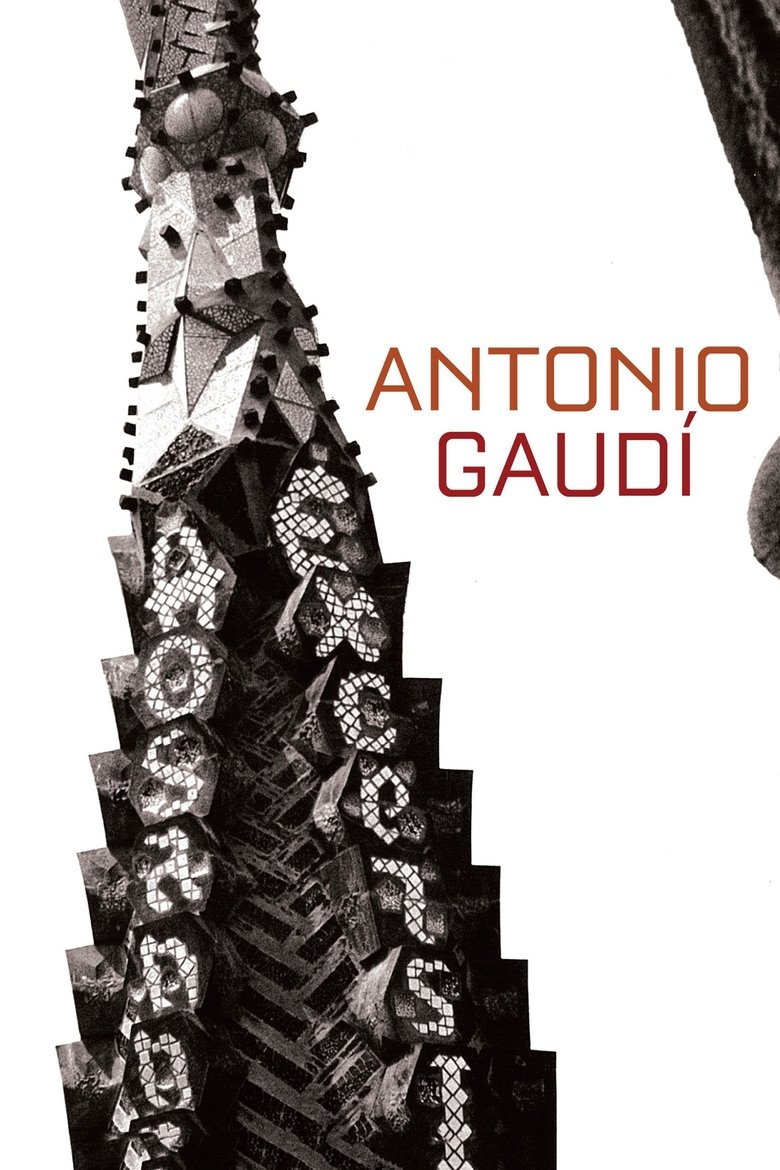
Catalan architect Antonio Gaudí (1852-1926) designed some of the world's most astonishing buildings, interiors, and parks; Japanese director Hiroshi Teshigahara constructed some of the most aesthetically audacious films ever made. With camera work as bold and sensual as the curves of his subject's organic structures, Teshigahara immortalizes Gaudí on film.
Overall Score
Fair
Category Breakdown
LGBTQ+ Representation
The film utilizes sensual camera work and organic curves that suggest a departure from rigid aesthetic standards. However, there is no explicit depiction of queer identity or relationships.
Gender Representation
The narrative centers on a singular male figure, following a traditional biographical structure. Teshigahara may soften this masculine dominance by focusing on the subject's internal psychological complexities.
Racial & Ethnic Diversity
A Japanese director interpreting a Catalan icon creates a transnational dialogue. This provides a non-Western perspective on Western cultural heritage, disrupting a purely Eurocentric view.
Religious & Cultural Diversity
The film celebrates non-conformity by focusing on an architect who defied geometric constraints. It prioritizes subjective aesthetic truth over rigid, traditionalist historical documentation.
Disability Representation
The provided material contains no specific evidence regarding the portrayal of physical or neurodivergent disabilities.
Strengths
Areas for Improvement
AI Analysis
Hiroshi Teshigahara’s documentary on Antonio Gaudí functions as a sensory exploration of architectural philosophy rather than a standard historical record. It succeeds in offering a transnational perspective by filtering Western heritage through an Eastern aesthetic lens. While the film lacks overt representation of diverse identities, it challenges traditional biographical structures. It replaces linear, patriarchal narratives with a focus on organic forms and psychological landscapes. The work's strength lies in its subversion of institutional norms, celebrating an individual who operated outside the systemic constraints of his era.
1953
1957
2003

2003

1950

2012

2000
2016
1985

2014

2023

2020
No reviews yet. Be the first to share your thoughts on this movie!
Use the rating form above to leave a star rating and optional review.