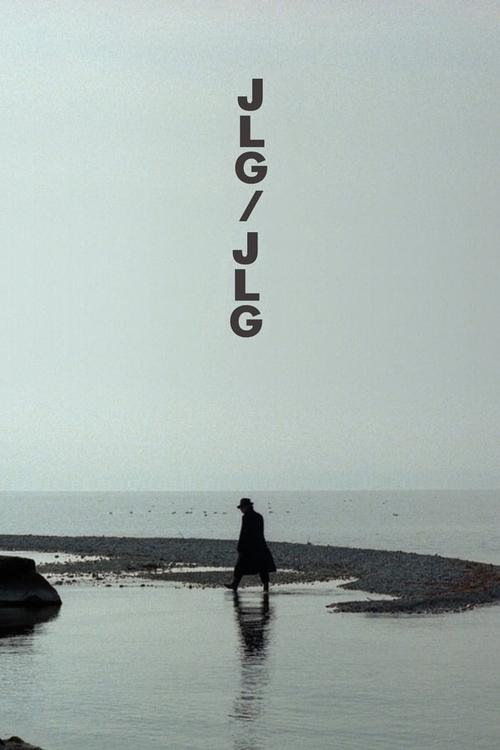
JLG/JLG: Self-Portrait in December
1995
No user ratings available yet
Diversity score: 4.8 out of 10

1982
Director
Jean-Luc Godard
Runtime
54 minutes
Average Rating
No ratings yetSynopsis
Godard constructs a lyrical study of the cinematic and creative process by deconstructing the story of his 1982 film Passion. “I didn’t want to write the script,” he states, “I wanted to see it.” Positioning himself in a video editing suite in front of a white film screen that evokes for him the “famous blank page of Mallarmé,” Godard uses video as a sketchbook with which to reconceive the film. The result is a philosophical, often humorous rumination on the desire and labor that inform the conceptual and image making process of the cinema.
Overall Score
Fair
Category Breakdown
LGBTQ+ Representation
The film functions as a philosophical rumination on image-making rather than a study of identity. Consequently, there is a lack of explicit LGBTQ+ representation or romanticities within this specific work.
Gender Representation
Godard disrupts traditional hierarchies by prioritizing the cerebral labor of creation over character-driven melodrama. This shifts focus away from standard tropes of cinematic femininity or masculinity.
Racial & Ethnic Diversity
The work appears to operate within a highly Eurocentric, avant-garde intellectual tradition. There is no evidence of a diverse cast or a narrative addressing racial intersectionality.
Religious & Cultural Diversity
The film excels by critiquing traditional Western cinematic institutions and commercial products. It embraces postmodern subjectivity and a rejection of singular, absolute truths through its deconstruction of the script.
Disability Representation
The film provides no information or visible portrayal regarding physical or neurodivergent disabilities.
Strengths
Areas for Improvement
AI Analysis
Jean-Luc Godard’s work is a profound exercise in semiotic deconstruction rather than a study of social identity. It succeeds as a meta-textual critique of filmmaking, using the video editing suite to challenge the authority of the finished cinematic product. However, the film's focus on the internal creative process results in a lack of demographic breadth. The narrative architecture prioritizes intellectual skepticism and the 'blank page' over the representation of specific human identities. Ultimately, while the film is culturally significant for its anti-authoritarian stance toward media, it lacks the explicit representation of race, gender, or sexuality required for a higher diversity score.
1995
1968
2010
2006
1997

1983
1986
1998
2006
1998
2006
1989
No reviews yet. Be the first to share your thoughts on this movie!
Use the rating form above to leave a star rating and optional review.