Metamorphosis
2007
No user ratings available yet
Representation score: 4.5 out of 10

Representation Score
Fair
2015
Not RatedDirector
Andrei Konst
Runtime
110 minutes
Average Rating
No ratings yetNew Showbiz Analysis
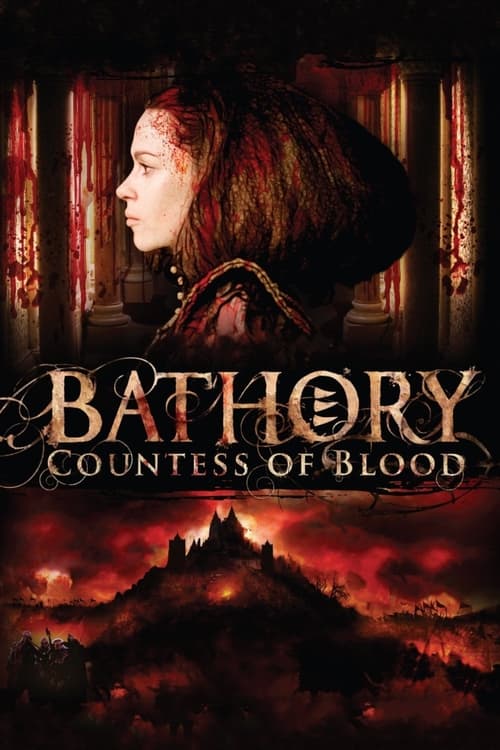
Lady of Csejte functions primarily as a period-specific horror piece centered on the legend of Countess Bathory. It succeeds in challenging traditional gender roles by positioning a female lead as the primary driver of the plot's lethal actions. However, the film remains tied to the historical demographics of 16th-century Transylvania, limiting its racial and ethnic diversity. It prioritizes historical accuracy over modern characters who reflect more than one aspect of diversity. Ultimately, the work is a character study of a violent agent of chaos. While it challenges traditional femininity, it does not engage in broader systemic social or institutional critiques.
Category Breakdown
The film centers on the legend of Countess Bathory, focusing on themes of bloodlust and isolation. There is no clear evidence of intentional LGBTQ+ character development or critiques of the assumption that everyone is straight or cisgender.
The narrative challenges traditional gender roles by centering a female protagonist who play a significant role in driving the story. It replaces the submissive 'damsel' cliché with a complex, driving figure of terror.
Set in 16th-century Transylvania, the film reflects the local European ethnic profile of the time. It prioritizes historical accuracy over diverse representation.
The story frames the protagonist through psychological thriller elements, moving toward moral relativism. It does not include explicit critiques of Western or religious institutions.
There is no verifiable evidence of characters with visible or invisible disabilities being included in the film.
Present on Screen
Limited or Absent
Official Synopsis
Based on a story of Countess Bathory, a serial killer in 16th century Transylvania who supposedly killed hundreds of children.
2007

2016

2021
2008

1995
2021

2021
1981
No reviews yet. Be the first to share your thoughts on this movie!
Use the rating form above to leave a star rating and optional review.