339 Amin Abel Hasbun: Memory of a Crime
2014
No user ratings available yet
Representation score: 4.4 out of 10
Representation Score
Limited
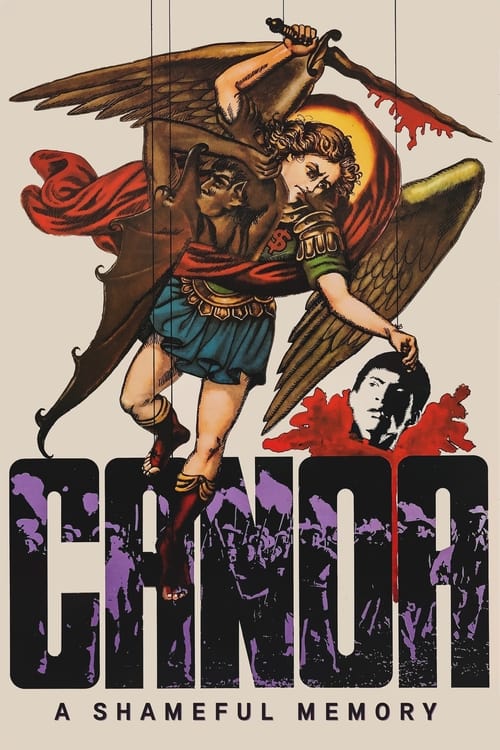
1976
Not RatedDirector
Felipe Cazals
Runtime
116 minutes
Average Rating
No ratings yetNew Showbiz Analysis
Canoa is a deep exploration of systemic failures and the fragility of collective identity. It stands out by challenging religious and state authority, breaking away from conventional expectations of social order. The film excels in its sophisticated breakdown of institutional influence. By presenting the community as a fragmented group vulnerable to manipulation, it prompts viewers to consider the complexities of political structures. However, the film does not address contemporary issues related to gender or LGBTQ+ representation. It remains rooted in the patriarchal and straight-centered assumptions of its 1968 setting.
Category Breakdown
The film does not include any LGBTQ+ characters or identities that go beyond the assumption that everyone is straight or cisgender. It focuses solely on the sociopolitical tensions of 1968 Mexico.
Women are mostly confined to domestic roles or appear as passive observers. The film reflects the rigid, patriarchal social structures of the time without giving women much control over their own stories.
The story examines class and ethnic divisions through the interactions between urban intellectuals and rural residents. It provides a detailed look at the socioeconomic realities of the Mexican working class.
The film sharply criticizes institutional power, showing religious authority as a force that can lead to violence. It breaks down the Church's role in controlling and manipulating society.
There are no central depictions of physical or neurodivergent disabilities in the character arcs or the overall narrative.
Present on Screen
Limited or Absent
Official Synopsis
A group of students arrives in a small town during a hiking expedition. Once there, the local priest accuses them of being communist agitators on the run from an army crack-down against student demonstrations in nearby Mexico City and rallies the townsfolk to lynch them. Based on a true story.
2014
1971
1974
1985
1986

1990
1986
1976
No reviews yet. Be the first to share your thoughts on this movie!
Use the rating form above to leave a star rating and optional review.