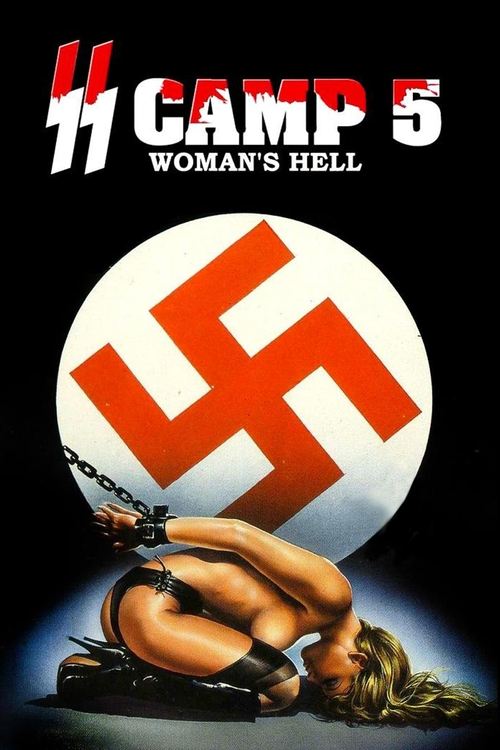
SS Camp 5: Women's Hell
1977
No user ratings available yet
Representation score: 5.0 out of 10
Representation Score
Fair
1976
XDirector
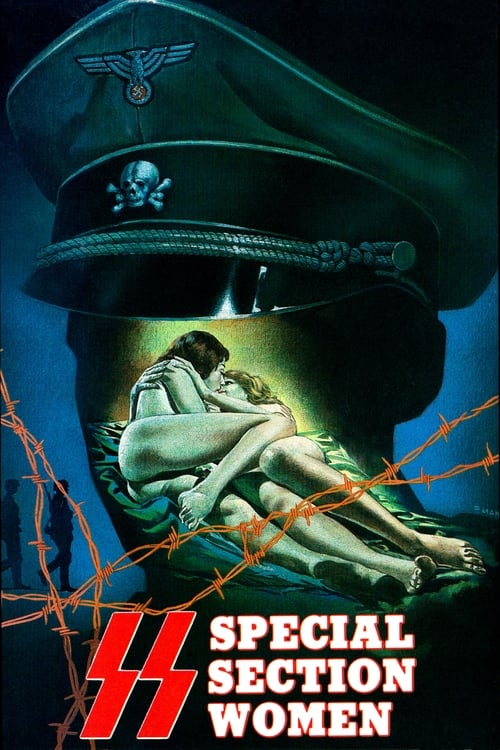
Rino Di Silvestro
Runtime
98 minutes
Average Rating
No ratings yetNew Showbiz Analysis
The film operates as a dark deconstruction of institutional authority, emphasizing the depiction of systemic corruption over traditional social hierarchies. It achieves a moderate score by aggressively subverting Western institutional morality and conventional gendered leadership roles. However, the work is limited by its era and setting. The lack of racial diversity and the reliance on transgressive clichés for LGBTQ+ representation prevent a higher diversity rating. Ultimately, the film's strength lies in its portrayal of the breakdown of patriarchal order, even as it remains tethered to the exploitative conventions of 1970s genre cinema.
Category Breakdown
The film uses queer identity as a means of challenging systemic power and breaking norms. It avoids the assumption that everyone is straight or cisgender by focusing on non-assuming gender matches what was assigned at birth dynamics among the guards. However, it relies on the 'deviant' cliché common in 1970s cinema.
The film challenges traditional hierarchies by showing male authority figures as unstable and morally bankrupt. It shifts focus from masculine leadership to a chaotic and predatory environment during wartime.
The narrative focuses on a homogeneous European cast within a Nazi-occupied setting. There is no indication of diverse racial blending or inclusion of non-white characters.
The story critiques institutionalized power by portraying the SS as a corrupt mechanism of victimization. It frames Western military structures as sources of profound depravity rather than protectors.
There is no discernible evidence regarding the portrayal of physical or neurodivergent disabilities within the film.
Present on Screen
Limited or Absent
Official Synopsis
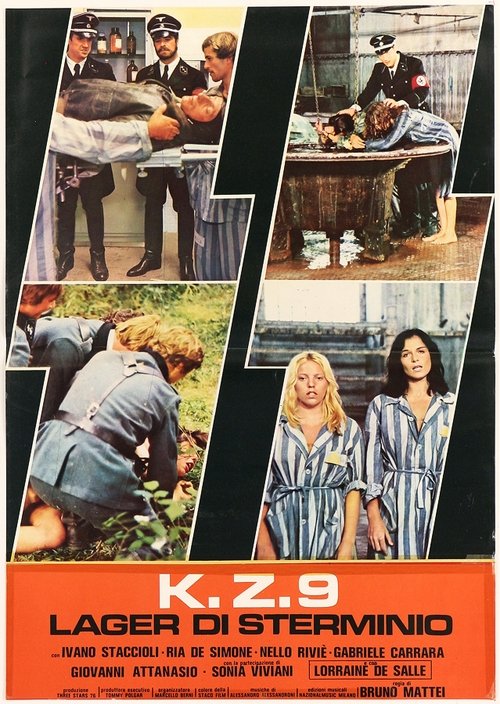
Young women in Nazi-occupied countries are packed onto a train and shipped off to a prison camp, where the sadistic commandant uses them as rewards for his lesbian guards and perverted and deviate troops.
1977
1974

1973
1977

1980

1978

1977
1977
No reviews yet. Be the first to share your thoughts on this movie!
Use the rating form above to leave a star rating and optional review.