
Antes de Morir
2000
No user ratings available yet
Diversity score: 4.8 out of 10
1970
Director
Miguel Littín
Runtime
95 minutes
Average Rating
No ratings yetSynopsis
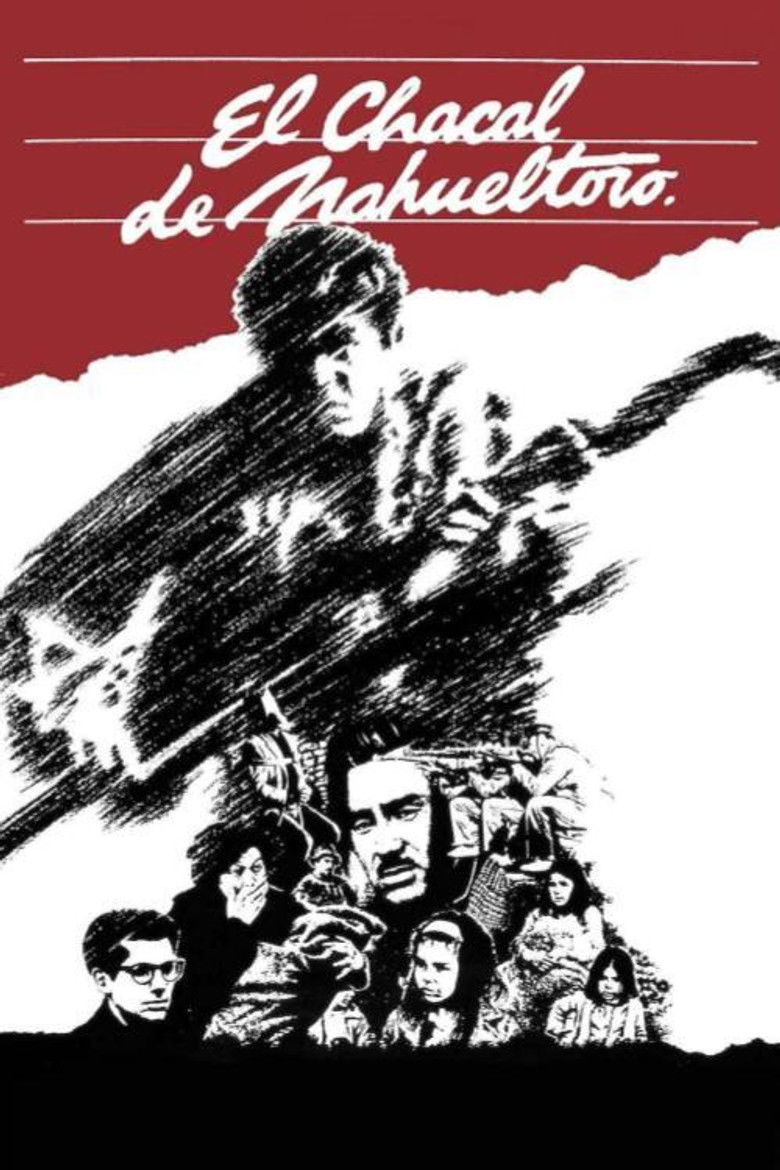
Based on an actual murder case that ignited a furious debate over the death penalty in Chile in 1960, this experimental social drama portrays the life and death of an illiterate peasant who, while drunk, murdered the woman with whom he had a relationship and her five children.
Overall Score
Fair
Category Breakdown
LGBTQ+ Representation
The film focuses on the heteronormative social structures of rural 1960s Chile. It contains no evidence of non-cisnormative identities or same-sex intimacy.
Gender Representation
Women are depicted through their vulnerability and domestic roles. The film critiques the patriarchal and class-based structures that leave women and children without agency.
Racial & Ethnic Diversity
The narrative centers on a non-Anglo-Saxon, provincial cast. It provides a nuanced look at the socioeconomic and ethnic realities of the Latin American working class.
Religious & Cultural Diversity
The film offers a profound critique of Western institutional frameworks. It challenges the legitimacy of the state and the judicial system as oppressive forces.
Disability Representation
The story explores the social disability of illiteracy and extreme poverty. The protagonist's inability to navigate legal systems serves as a tool for systemic critique.
Strengths
Areas for Improvement
AI Analysis
Miguel Littín’s drama succeeds as a powerful critique of systemic power and institutional failure. By centering the Chilean peasantry, the film avoids Western-centric tropes and provides a grounded, authentic look at class-driven identity. However, the film remains limited by its traditionalist social framework. The lack of LGBTQ+ representation and the portrayal of women primarily as victims of patriarchal structures restrict its scope of diversity. Ultimately, the work is a sophisticated deconstruction of the social contract. It shifts the focus from individual criminality to the failures of a fractured society.
2000
1975
1970
1975
1975
1957

1967
1982
2010
1984
2009
1978
No reviews yet. Be the first to share your thoughts on this movie!
Use the rating form above to leave a star rating and optional review.