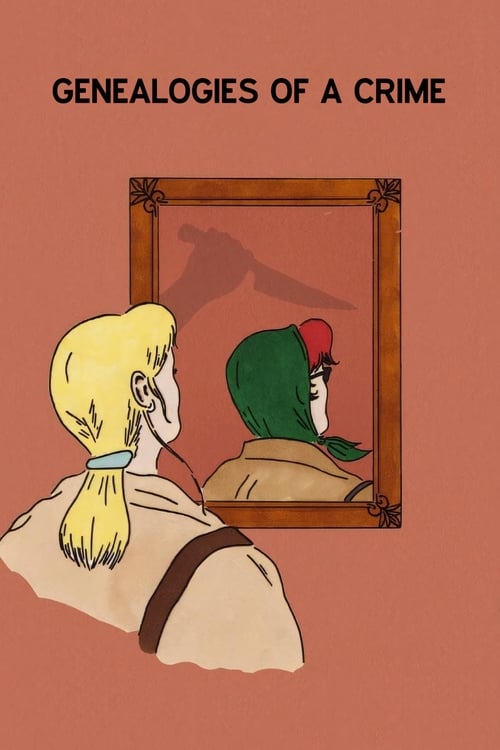
Genealogies of a Crime
1997
No user ratings available yet
Diversity score: 5.7 out of 10

2017
Director
Stéphanie Pillonca
Runtime
97 minutes
Average Rating
No ratings yetSynopsis
In 1800, Brittany is on its knees, overwhelmed by the regime in place and by the omnipotent clergy. It founders in an economic slump without end in sight and, in the middle of all this, a young, suffering girl pushes back as best she can. She is known as the "Poisoning Angel," an isolated child, mistreated by life and rocked by morbid thoughts. She will become one of the world's most notorious serial killers and will sow death, perhaps merely to be looked at and loved.
Overall Score
Fair
Category Breakdown
LGBTQ+ Representation
The film lacks explicit evidence of LGBTQ+ characters or non-heteronormative identities. The narrative focuses primarily on the protagonist's psychological isolation.
Gender Representation
The story subverts traditional female archetypes by centering a notorious killer rather than a submissive figure. It challenges expectations of female passivity through the protagonist's destructive agency.
Racial & Ethnic Diversity
Set in 1800s Brittany, the film reflects the ethnic homogeneity of the period. There is no evidence of multi-ethnic casting or intentional demographic blending.
Religious & Cultural Diversity
The narrative offers a strong critique of historical power structures. It portrays the clergy and the ruling regime as oppressive forces rather than moral guides.
Disability Representation
The protagonist's mental health and morbid thoughts drive the plot. This approach grants agency to a character experiencing profound psychological distress.
Strengths
Areas for Improvement
AI Analysis
The film succeeds in deconstructing historical power structures and subverting gendered expectations. By centering a female protagonist who chooses notoriety over domesticity, it moves beyond traditional tropes of female virtue. However, the film is limited by its historical setting, which results in low racial and ethnic diversity. The lack of visible LGBTQ+ representation also keeps the overall score moderate. Ultimately, the work functions as a psychological study of systemic oppression, prioritizing institutional critique and mental health struggles over broad demographic inclusion.
1997

2021

1978

2009

2024

2016
2010

2014

1995

2021

2016

2014
No reviews yet. Be the first to share your thoughts on this movie!
Use the rating form above to leave a star rating and optional review.