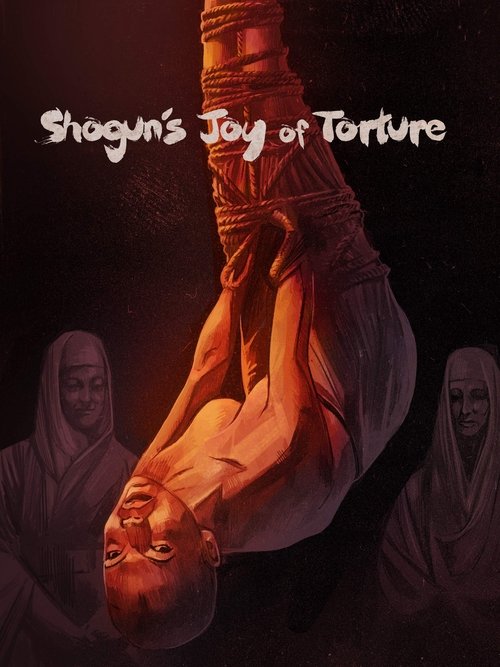
Shogun's Joy of Torture
1968
No user ratings available yet
Representation score: 5.2 out of 10

Representation Score
Good
1969
Not RatedDirector
Teruo Ishii
Runtime
89 minutes
Average Rating
No ratings yetNew Showbiz Analysis
Teruo Ishii’s work utilizes the erotic grotesque to subvert mainstream cinematic decorum. The film functions as a transgressive exploration of human impulses, using extreme violence to deconstruct the stability of the Genroku era's social structures. While the film lacks modern multi-layered casting, it centers women's ability to drive the story within tragic circumstances. It moves away from passive female archetypes to place women at the heart of its psychological intensity. The film's strength lies in its cultural critique of morality. By presenting 'politically incorrect' lessons, it challenges the viewer to confront the inherent corruption within established social hierarchies.
Category Breakdown
The film explores unconventional sexual dynamics and sadomasochism but does not clearly represent specific non-cisgender identities or directly critique the assumption that everyone is straight or cisgender.
Women play central roles in driving the emotional and visceral impact of the narrative. The film challenges traditional depictions of female passivity by placing women in complex and violent psychological landscapes.
The cast is ethnically homogeneous due to the Genroku era setting. It offers a non-Western perspective on systemic violence and social decay outside the Western canon.
The narrative uses moral relativism to challenge traditional social orders. It critiques the prosperity of the era by framing stories through systemic corruption and dysfunction.
There is no mention of characters with physical or neurodivergent disabilities within the narrative.
Present on Screen
Limited or Absent
Official Synopsis
Three stories of moral sickness set during Japan’s prosperous Genroku era are told in this bloody follow-up to the sexploitation classic Shogun’s Joy of Torture, the politically incorrect moral lessons paint a trio of tales of tragic heroines caught up in violence, sadomasochism, incest and torture.
1968
1978
1974
1960
1973
1964
1995
1977
No reviews yet. Be the first to share your thoughts on this movie!
Use the rating form above to leave a star rating and optional review.