
Blindness
2016
No user ratings available yet
Representation score: 4.8 out of 10
Representation Score
Good
1989
TV-MADirector
Ryszard Bugajski
Runtime
118 minutes
Average Rating
No ratings yetNew Showbiz Analysis
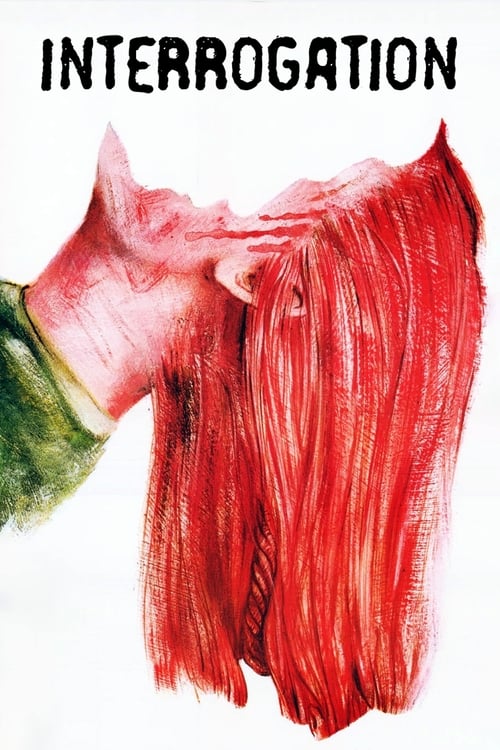
Interrogation is a visceral examination of systemic oppression and individual autonomy. Its primary strength lies in centering women's ability to drive the story, as Tonia’s refusal to submit to masculine authority provides a profound subversion of traditional power dynamics. However, the film is limited by its narrow historical focus. The lack of LGBTQ+ representation and diverse ethnic representation makes the narrative feel demographically homogeneous, even if this aligns with the Stalinist Polish setting. Ultimately, the film succeeds as a critique of institutional corruption. It prioritizes the deconstruction of state-mandated truth over a broad spectrum of social identities.
Category Breakdown
The film does not include any LGBTQ+ characters or narratives. It focuses on political and physical struggles against the state rather than non-straight relationships.
Tonia serves as a strong female protagonist who challenges traditional gender roles. Her intellectual and moral resistance against a male-dominated state hierarchy drives the entire narrative.
Set in Stalinist Poland, the film focuses on a specific national struggle. It lacks diverse ethnic representation, reflecting its homogeneous historical setting.
The story provides a sophisticated critique of corrupt, centralized institutional power. It portrays the state as a dehumanizing entity that demands the sacrifice of individual morality.
Physical and psychological trauma from torture are used as tools of state oppression. These elements highlight regime cruelty rather than exploring nuanced disability or neurodivergence.
Present on Screen
Limited or Absent
Official Synopsis
In Stalinist Poland, cabaret singer Tonia decides to spend the evening drinking with a group of friends. The next morning, she awakes to find that, for reasons unknown to her, she has been jailed as a political prisoner. As prison officials interrogate, torture and humiliate her, she fights for survival and to maintain her innocence by refusing to sign a false confession. As her years of imprisonment pass, her relationship with her captors grows more complicated.
2016

1975
2003
1970
1996

1985
1993

1994
No reviews yet. Be the first to share your thoughts on this movie!
Use the rating form above to leave a star rating and optional review.