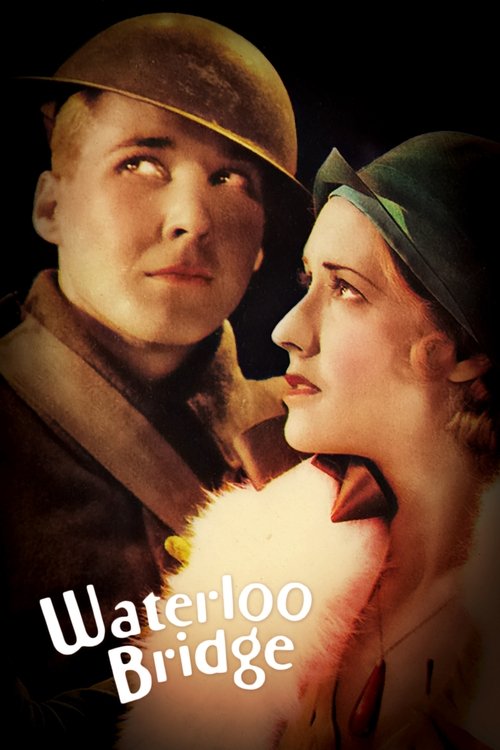
Waterloo Bridge
1931
No user ratings available yet
Representation score: 2.7 out of 10

Representation Score
Minimal
1923
PassedDirector
Frank Borzage
Runtime
70 minutes
Average Rating
No ratings yetNew Showbiz Analysis
Frank Borzage’s 1923 drama adheres to the standard cinematic conventions of its time. The film centers on individual romantic struggles and the emotional impact of wartime conflict, rather than exploring broader social hierarchies. The narrative structure is built on established clichés, such as the orphan's journey and male rivalry. These elements emphasize traditional melodrama over storytelling that addresses multiple aspects of identity. Ultimately, the film reflects the demographic homogeneity and traditional gender roles typical of early 20th-century Western cinema.
Category Breakdown
The film follows a traditional romantic storyline centered around a heterosexual couple. There is no representation of non-binary gender identities or critiques of heterosexuality.
Gender roles in the film are traditional for the era. The female lead is primarily defined by her appearance, while the central conflicts and key actions are driven by male characters.
The New York City setting and narrative focus suggest a homogeneous social environment. There is no explicit mention of racial diversity or multicultural casting.
The story relies on traditional Western dramatic clichés like wartime enlistment and romantic rivalry. It explores duty and patriotism through a standard melodramatic structure.
The narrative contains no mention of visible or invisible disabilities. No characters are shown dealing with physical or mental health issues.
Present on Screen
Limited or Absent
Official Synopsis
Young Terwilliger, an orphan boy in New York City, "adopts" Old Archer, the caretaker of Gramercy Park, after the man is arrested for beating Terwiliger for picking a flower for his dead mother. As Terwilliger grows up, he falls in love with Helen Raymond, a pretty neighborhood girl, but finds a rival for her in Harvey Livermore. When World War I breaks out both boys enlist in the army and are sent to the front lines. Complications ensue.
1931
1925
1925
1927
2012
1927
1933

1932
No reviews yet. Be the first to share your thoughts on this movie!
Use the rating form above to leave a star rating and optional review.