Waterloo Bridge
1931
No user ratings available yet
Representation score: 2.7 out of 10
Representation Score
Limited
1929
PassedDirector
Archie Mayo
Runtime
65 minutes
Average Rating
No ratings yetNew Showbiz Analysis
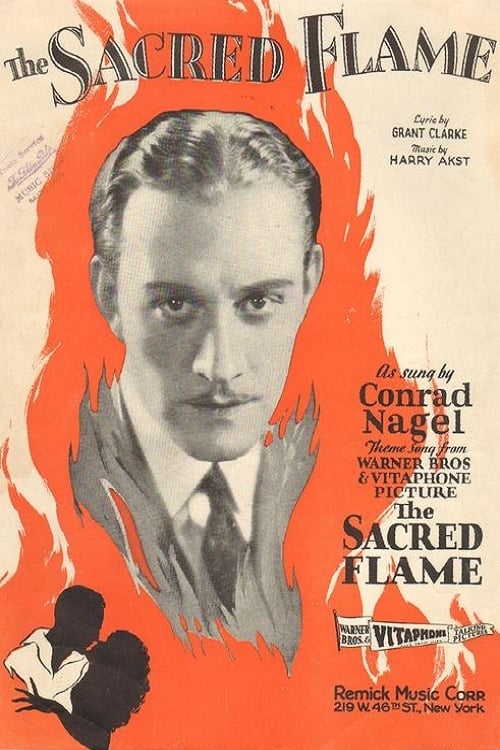
The Sacred Flame is a period drama that relies on established social hierarchies and traditional archetypes. The narrative emphasizes interpersonal moral conflicts over meaningful representation of underrepresented groups. While the film features a protagonist with a physical disability, the portrayal is functional rather than exploratory. The disability primarily drives the romantic tension among the main characters. Ultimately, the film upholds the status quo of its era, lacking the intentionality to challenge racial, gender, or cultural norms.
Category Breakdown
The film focuses on a heterosexual love triangle and does not include any non-straight or non-cisgender identities. It also does not critique the assumption that everyone is straight or cisgender.
Characters follow traditional gender roles, such as the selfless caregiver and the domestic wife. Stella demonstrates significant influence but within a morally complex context.
The story centers around Anglo-Saxon characters within Western social structures. There is no blending of races or diverse casting.
The narrative operates within a conventional Western moral framework emphasizing traditional values like duty, marriage, and moral endurance.
Maurice's physical disability is used to create romantic conflict. The film focuses on how his condition affects others rather than his own experiences.
Present on Screen
Limited or Absent
Official Synopsis
Colonel Maurice Taylor of the Royal Flying Corps is hopelessly injured in an airplane crash immediately following his marriage to Stella. Maurice is non-functional in most of the physical areas of marriage that count, but Stella attends to his other needs faithfully for three years. Then his brother, Colin, shows up from South America, and he and Stella fall passionately in love and are making plans to run away together. Mother Taylor is aware of the romance, as is Nurse Weyland, who is secretly in love with Maurice, and now hates Stella for her careless attitude toward Maurice's patiently-borne sufferings. Maurice is also aware of the affair. He has a talk with his wife and brother. Complications arise.
1931

1932
1937
1927
1933
1935

1933

1957
No reviews yet. Be the first to share your thoughts on this movie!
Use the rating form above to leave a star rating and optional review.