Barquero
1970
No user ratings available yet
Diversity score: 1.9 out of 10
1966
PGDirector
Gordon Douglas
Runtime
115 minutes
Average Rating
No ratings yetSynopsis
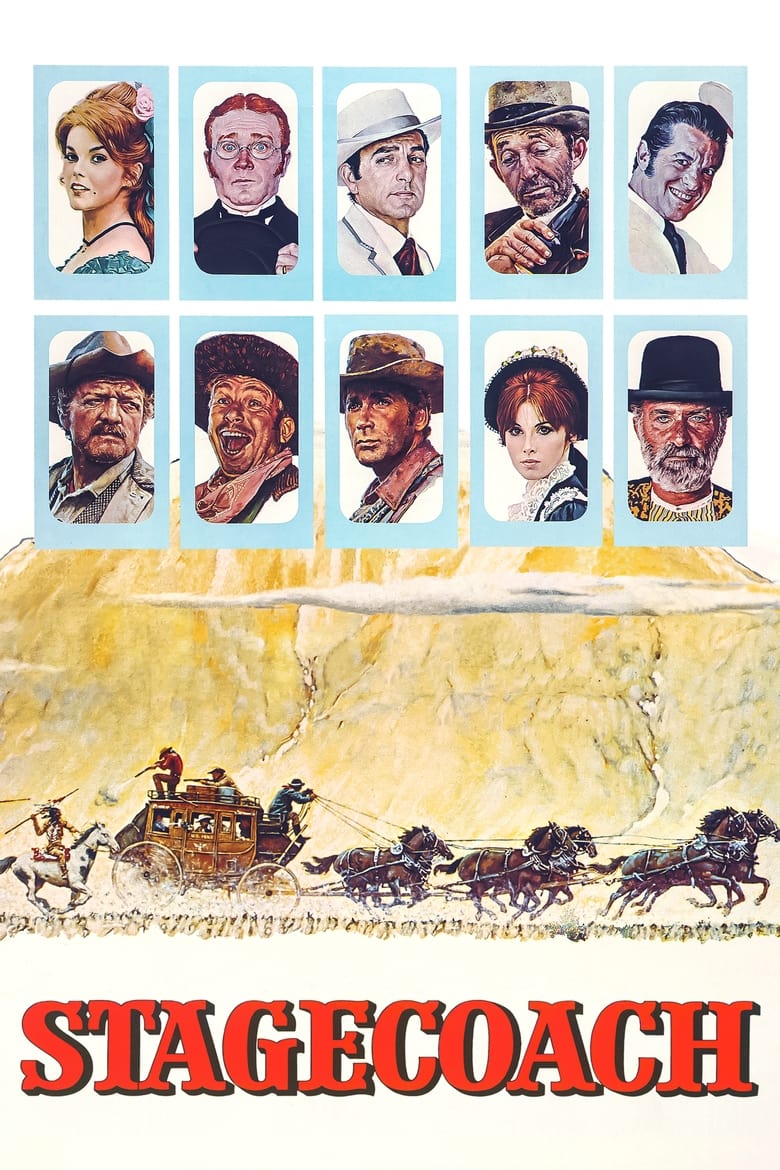
A group of unlikely travelling companions find themselves on the same stagecoach to Cheyenne. They include a drunken doctor, a bar girl who's been thrown out of town, a professional gambler, a travelling liquor salesman, a banker who has decided to embezzle money, a gun-slinger out for revenge and a young woman going to join her army captain husband. All have secrets but when they are set upon by an Indian war party and then a family of outlaws, they find they must all work together if they are to stay alive.
Overall Score
Limited
Category Breakdown
LGBTQ+ Representation
The narrative lacks any indication of non-cisnormative identities or same-sex intimacy. Romantic tension is centered on a traditional heterosexual pairing between a young woman and her army captain husband.
Gender Representation
Female characters reflect the social constraints of the era. While a bar girl provides a marginalized perspective, the female presence is largely defined by domesticity and traditional marital roles.
Racial & Ethnic Diversity
Indigenous populations are framed primarily as an antagonistic 'Indian war party.' This positioning treats non-Anglo characters as a looming external threat rather than providing nuanced cultural depth.
Religious & Cultural Diversity
The film upholds traditional Western values and social institutions like the bank and the military. The conflict focuses on frontier survival and the preservation of established social order.
Disability Representation
There is no evidence regarding the portrayal of physical or neurodivergent disabilities within the film's character ensemble.
Strengths
Areas for Improvement
AI Analysis
Stagecoach functions as a traditional ensemble Western that adheres to mid-20th-century cinematic norms. The story utilizes the 'unlikely companions' trope to bring disparate social classes together, but it does so within a framework that reinforces existing social hierarchies rather than challenging them. The film relies on established genre archetypes, such as the moral ambiguity of a drunken doctor or an embezzling banker, to create tension. However, these elements serve the classic Western theme of frontier survival rather than offering a progressive exploration of identity. Ultimately, the production lacks intersectional complexity. It operates within a conventional vocabulary that treats marginalized groups, such as indigenous populations and women in precarious social positions, through a lens of traditionalism and external threat.
1970
1964
1956
1970
1950
1967
1961
1969
1974
1971
1965
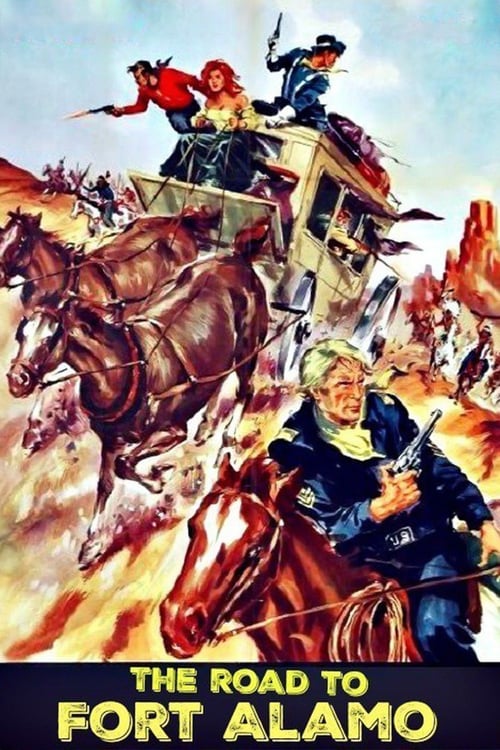
1964
No reviews yet. Be the first to share your thoughts on this movie!
Use the rating form above to leave a star rating and optional review.