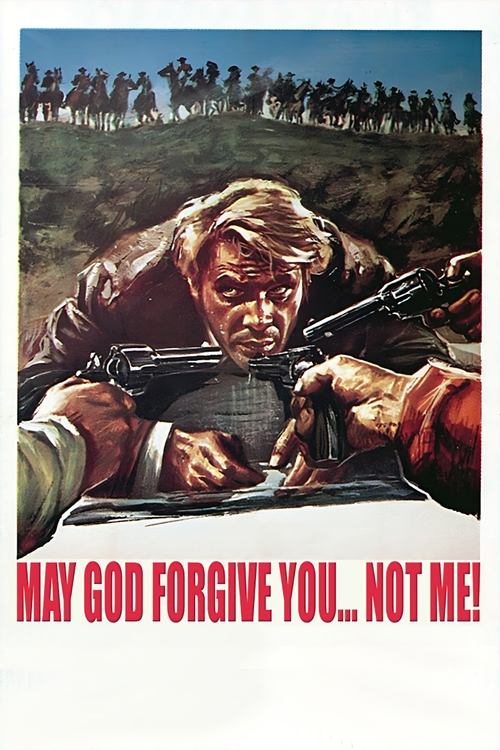
May God Forgive You... But I Won't
1968
No user ratings available yet
Representation score: 2.6 out of 10
Representation Score
Minimal
1968
Director
Sergio Garrone
Runtime
94 minutes
Average Rating
No ratings yetNew Showbiz Analysis
Sergio Garrone’s film is a classic Spaghetti Western that adheres to the social and narrative conventions of the 1960s. The story prioritizes genre-specific clichés of violence and revenge over any intentional social critique. The narrative structure reinforces traditional archetypes, especially regarding masculinity and racial antagonism. Characters serve specific plot functions rather than representing diverse lived experiences. Ultimately, the film functions as a standard genre piece, lacking diverse representation or attempts to challenge the established status quo of the era.
Category Breakdown
The film does not include any LGBTQ+ characters or non-cisgender identities. It follows a traditional framework that assumes everyone is straight and cisgender.
The male protagonist, Johnny, holds most of the narrative ability to act. Sally plays a key role as a catalyst for revenge after her family is killed, but her role is limited to driving the plot forward.
The film has a mostly white cast. A gang of Mexicans serves as the antagonist, which is a conventional genre device rather than a nuanced exploration of identity.
The story focuses on individual survival and the lawless frontier cliché. It uses the destruction of the family unit as a plot device for revenge rather than critiquing Western institutions.
The film does not focus on visible or invisible disabilities. Physical injuries are used as standard plot mechanics to drive character vulnerability rather than exploring lived experiences of disability.
Present on Screen
Limited or Absent
Official Synopsis
A young cowboy, Johnny, playing in a rigged poker game is forced to shoot one of the other players. The cowboy takes quick leave as he is accused of murder and a reward for his capture is posted. After being wounded, he finds refuge on a ranch and becomes involved with the family. While he is away, a gang of Mexicans kills the McGowan family except for Sally, who manages to escape and find Johnny who is now out for revenge.
1968
1967
1968
1967
1965
1956
1968
1958
No reviews yet. Be the first to share your thoughts on this movie!
Use the rating form above to leave a star rating and optional review.