My Brooklyn
2013
No user ratings available yet
Representation score: 8.2 out of 10
Representation Score
Excellent
2016
TV-PGDirector
Marc Levin
Runtime
74 minutes
Average Rating
No ratings yetNew Showbiz Analysis
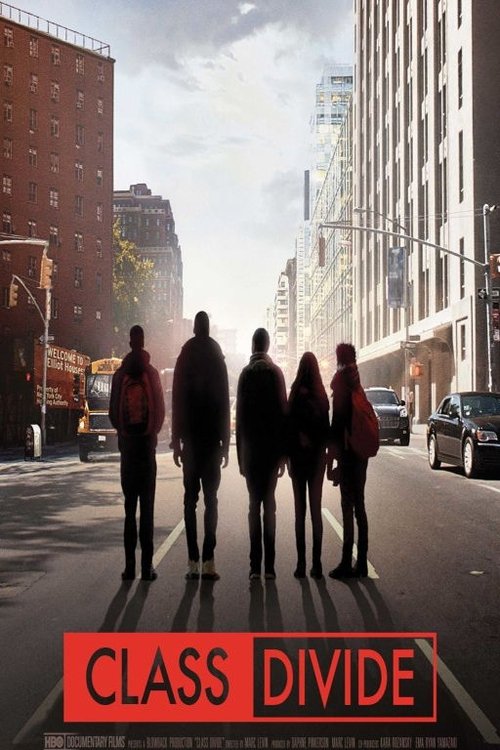
Class Divide provides a powerful sociological examination of urban stratification by contrasting the Chelsea-Elliot Houses with Avenues: The World School. The film excels in depicting racial and cultural realities, using real-world subjects to expose how systemic inequality shapes metropolitan life. However, the documentary's narrow focus on class limits its exploration of other identity-based issues. While the racial and cultural critiques are thorough, the film offers limited depth regarding LGBTQ+ or disability-related narratives. Ultimately, the work is a vital study of socioeconomic friction, prioritizing the study of class and geography over broader multi-layered identities.
Category Breakdown
The film does not focus on LGBTQ+ narratives or specific identities. Instead, it focuses on the intersection of class and geography rather than non-straight relationships.
Gender roles are examined through social hierarchy and economic status. The film provides a nuanced perspective but does not specifically address dismantling traditional gender power structures.
The documentary excels by giving significant visibility to Black, Hispanic, and Asian youth within the public housing system. It highlights how race affects access to institutional power and resources.
The film offers a sophisticated critique of Western economic structures and capitalist stratification. It frames the disparity between wealth and poverty as a systemic product of institutional frameworks.
The film does not prominently feature neurodivergence or physical disabilities. It does not use disability as a primary means for exploring systemic exclusion or individual ability to act.
Present on Screen
Limited or Absent
Official Synopsis
A look at NYC’s gentrification and growing inequality in a microcosm, Class Divide explores two distinct worlds that share the same Chelsea intersection – 10th Avenue and 26th Street. On one side of the avenue, the Chelsea-Elliot Houses have provided low-income public housing to residents for decades. Their neighbor across the avenue since 2012 is Avenues: The World School, a costly private school. What happens when kids from both of these worlds attempt to cross the divide?
2013

2018

2013
2000

2015

2013
1993
2015
No reviews yet. Be the first to share your thoughts on this movie!
Use the rating form above to leave a star rating and optional review.