Children Underground
2001
No user ratings available yet
Representation score: 8.5 out of 10
Representation Score
Excellent
1975
Not RatedDirector
Danny Lyon
Runtime
63 minutes
Average Rating
No ratings yetNew Showbiz Analysis
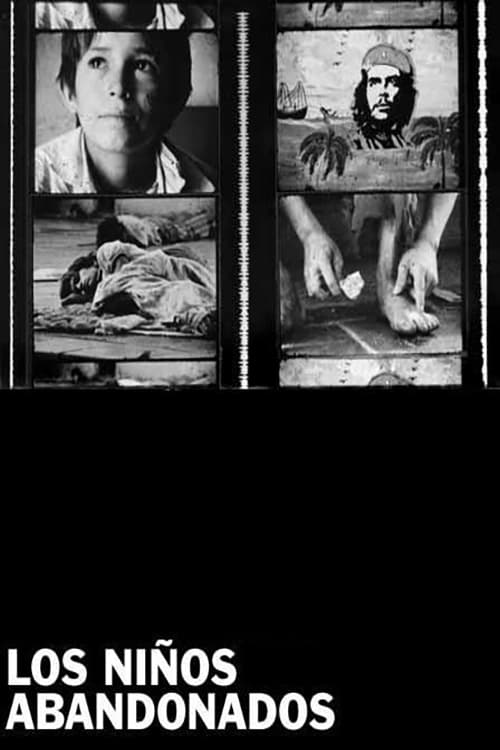
Danny Lyon’s documentary offers a raw, observational look at the survivalist rhythms of street children in Colombia. By focusing on their ingenuity and social maneuvering, the film avoids the common pitfall of portraying underrepresented subjects through a lens of pity or external charity. The work excels in its racial and cultural representation, providing a non-Western perspective that challenges traditional institutional frameworks. It presents a complex social landscape where children navigate economic realities through their own initiative. While the film provides a sophisticated look at systemic exclusion, it is limited by its narrow focus on a male-dominated group. There is also no specific information regarding LGBTQ+ identities or disability representation within the cohort.
Category Breakdown
The film focuses on a group of street children in Santa Marta, Colombia. There is no explicit evidence regarding the sexual orientation or gender identity of the subjects.
The narrative centers on a gang of boys, emphasizing male-dominated social structures. The film highlights their survival skills and independence from traditional patriarchal guidance.
The film provides high-level representation of a non-Western population. By centering Colombian children, it disrupts the Western-centric gaze common in mid-70s cinema.
The film highlights the failure of family and state structures. It prioritizes situational ethics and survivalist morality over singular religious or capitalist ideals.
The film documents the hardships of street life. However, there is no specific evidence regarding the portrayal of neurodivergence or physical disabilities.
Present on Screen
Limited or Absent
Official Synopsis
Shot in 1974 by Danny Lyon and a single audio person, in twenty days in Santa Marta Colombia. The film shows the daily rhythms of a gang of boys who live on the city’s streets. Their survival skills and errant lifestyles are in evidence as they beg for scraps to eat, wheel and deal with storekeepers and street vendors, and play together.
2001

2000

1984

2010
2005
2004
2005

1965
No reviews yet. Be the first to share your thoughts on this movie!
Use the rating form above to leave a star rating and optional review.