
Shenandoah
2012
No user ratings available yet
Representation score: 2.8 out of 10

Representation Score
Excellent
2012
NRDirector
Heidi Ewing, Rachel Grady
Runtime
93 minutes
Average Rating
No ratings yetNew Showbiz Analysis
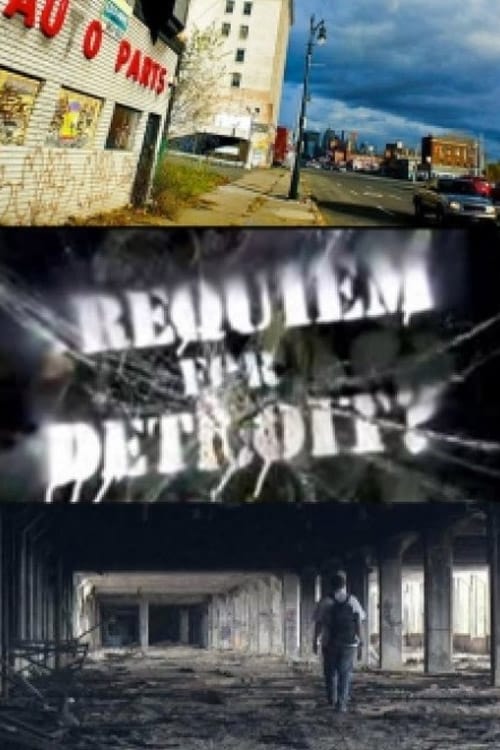
Detropia is a sociological study that prioritizes systemic critique over individual identity politics. It succeeds by centering the lived experiences of a racially diverse population facing economic fallout, effectively challenging the myth of industrial stability. While the film excels in racial and cultural representation, it lacks depth regarding LGBTQ+ and disability-specific narratives. The focus remains on macro-economic shifts rather than the specific multi-layered identities of the citizenry. Ultimately, the documentary's strength lies in its ability to deconstruct traditional Western success stories, providing a nuanced view of how institutional decay impacts a diverse, underrepresented community.
Category Breakdown
The film focuses on the socio-economic landscape of industrial collapse and does not center on queer-specific narratives. As a result, the story remains largely within straight-centered structures.
The documentary avoids traditional gender hierarchies by focusing on collective struggle. It deconstructs the male-dominated 'provider' archetype, emphasizing shared vulnerability over masculine leadership clichés.
The film excels by providing a significant role in driving the story to residents of color. It documents how systemic economic shifts disproportionately impact specific communities, avoiding a homogeneous white perspective.
The narrative critiques Western economic institutions and the fractured American Dream. It frames urban decline as a consequence of institutional decay rather than personal failure.
The film lacks developed arcs for neurodivergent or physically disabled characters. Instead, it offers a visceral look at the 'disability' of broken urban infrastructure and poverty.
Present on Screen
Limited or Absent
Official Synopsis
Detroit’s story has encapsulated the iconic narrative of America over the last century – the Great Migration of African Americans escaping Jim Crow; the rise of manufacturing and the middle class; the love affair with automobiles; the flowering of the American dream; and now… the collapse of the economy and the fading American mythos.
2012

2013
2010

2012
2010
2010
2013

2013
No reviews yet. Be the first to share your thoughts on this movie!
Use the rating form above to leave a star rating and optional review.