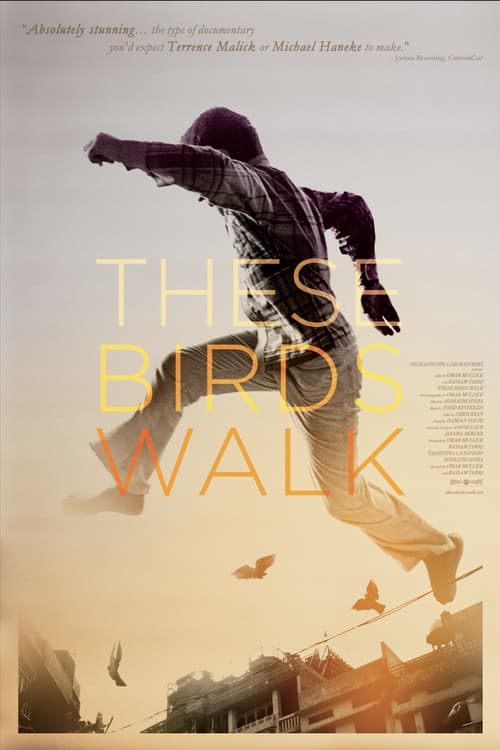
These Birds Walk
2012
No user ratings available yet
Representation score: 9.0 out of 10

Representation Score
Excellent
2021
PG-13Director
Jon Shenk, Pedro Kos
Runtime
40 minutes
Average Rating
No ratings yetNew Showbiz Analysis
Lead Me Home is a powerful documentary that shifts the focus from statistical abstractions to nuanced, actively leading human portraits. It succeeds most significantly by centering the Latin American immigrant experience and challenging the perceived stability of Western institutional efficacy. The film's strength lies in its structural critique of the systems that sideline people. By prioritizing the voices of those impacted by immigration enforcement and economic precarity, it moves beyond simple inclusion to offer a profound look at systemic obstacles. However, the film's scope is somewhat narrow regarding specific identity markers. The absence of explicit LGBTQ+ representation and a lack of focus on permanent disabilities prevent a more comprehensive diversity profile.
Category Breakdown
The documentary lacks prominent LGBTQ+ narratives or non-cisgender identities as central plot drivers. While it explores the human condition, there is an absence of explicit queer identities or critiques of straight-centered assumptions.
The film highlights the vulnerability and significant role of women and children navigating displacement. It disrupts traditional depictions of stable family units by showing how gendered roles fragment under socioeconomic duress.
The film excels by centering non-Anglo-Saxon experiences, specifically the Latin American immigrant experience. It moves subjects from passive victims to active protagonists, disrupting the depiction of a homogeneous American landscape.
The narrative engages deeply with post-colonial themes and the tension between individual survival and state borders. It offers a sophisticated critique of Western institutional structures and immigration enforcement.
There is no explicit focus on permanent physical or neurodivergent disabilities. Instead, the film portrays a systemic, situational disability rooted in the lack of access to housing and stability.
Present on Screen
Limited or Absent
Official Synopsis
Poignant stories of homelessness on the West Coast of the US frame this cinematic portrait of a surging humanitarian crisis.
2012

2000

2015

2012

2015

2020
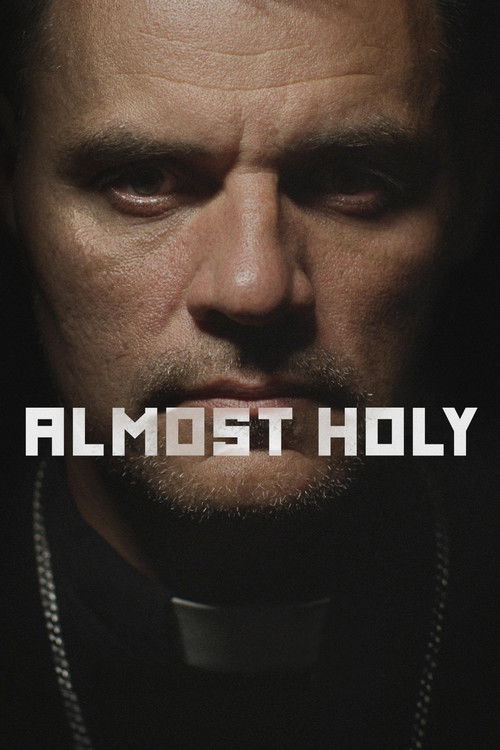
2015
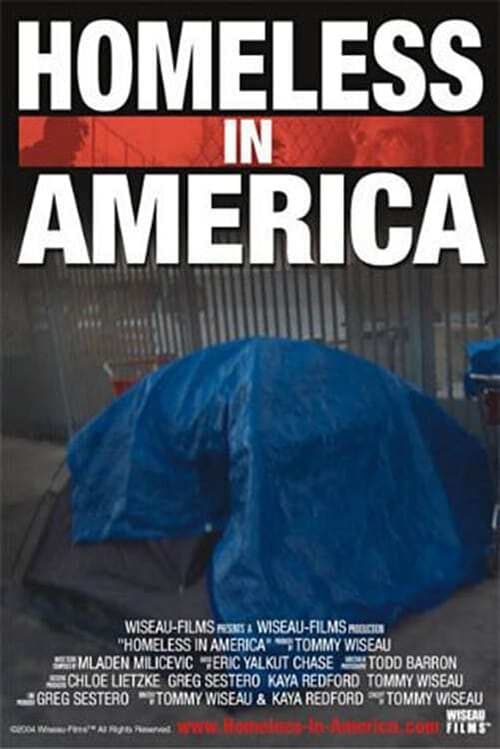
2004
No reviews yet. Be the first to share your thoughts on this movie!
Use the rating form above to leave a star rating and optional review.