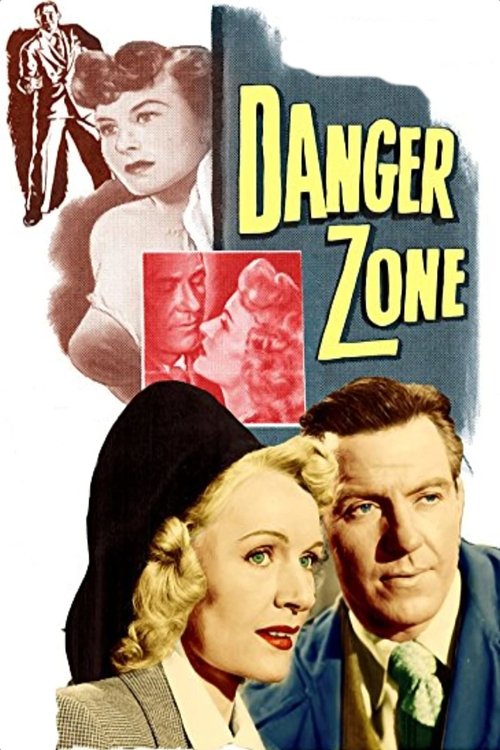
Danger Zone
1951
No user ratings available yet
Diversity score: 2.4 out of 10
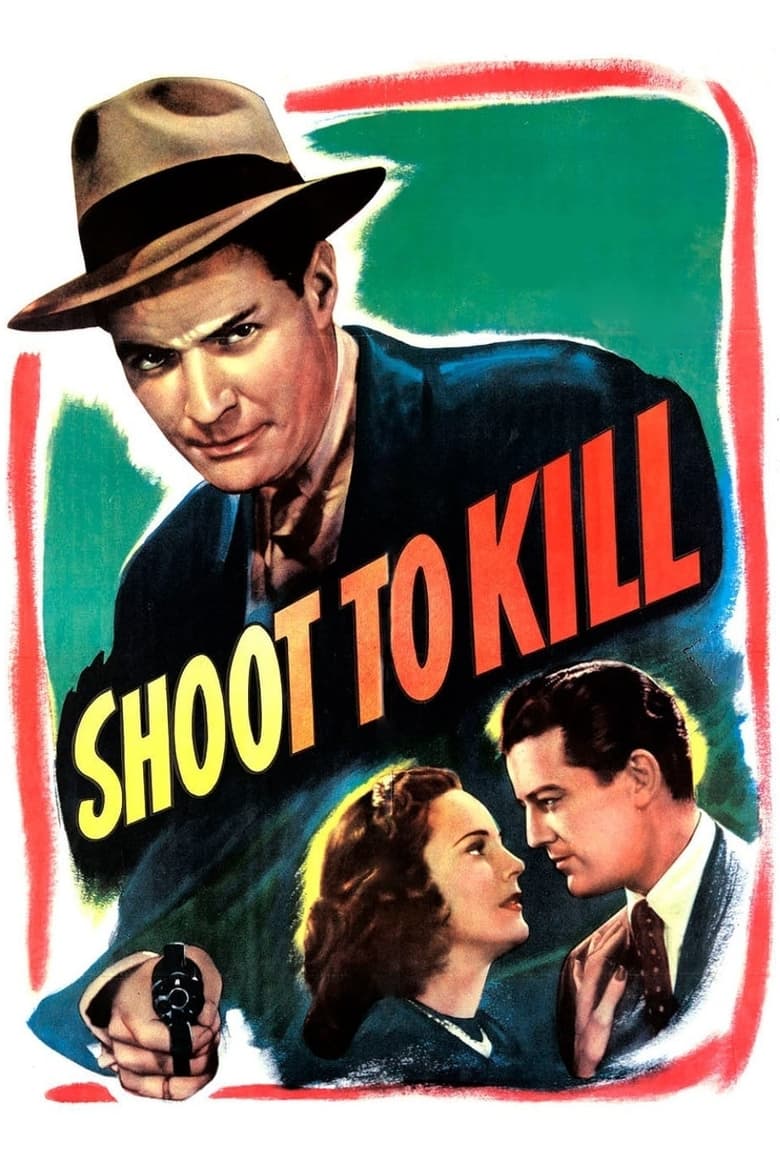
1947
NRDirector
William Berke
Runtime
64 minutes
Average Rating
No ratings yetSynopsis
A gritty crime story involving a newspaper man and crooked politicians.
Overall Score
Limited
Category Breakdown
LGBTQ+ Representation
The film lacks any discernible presence of LGBTQ+ characters. The narrative operates within a strictly heteronormative framework typical of 1947 crime noir.
Gender Representation
Agency is concentrated in male protagonists, such as the newspaper man. Female characters are relegated to supporting roles, likely serving as romantic interests or archetypal femme fatales.
Racial & Ethnic Diversity
The film lacks a diverse or non-Anglo-Saxon cast. The setting reflects the homogeneous social structures common in mainstream cinema of this era.
Religious & Cultural Diversity
The story follows established Western crime narratives. It focuses on justice within standard legal contexts rather than deconstructing traditional institutions or social structures.
Disability Representation
There are no specific depictions of physical or neurodivergent disabilities. Characters function within the able-bodied norms typical of the genre.
Strengths
Areas for Improvement
AI Analysis
Shoot to Kill is a product of its temporal context, adhering to the industrial standards of 1940s B-movie crime noir. The narrative architecture reinforces traditional social and power hierarchies rather than subverting them. The film lacks intentionality regarding intersectional identities or social critique. Instead, it relies on mid-century cinematic conventions that prioritize genre-driven storytelling over progressive character development. Ultimately, the absence of diverse representation or subversive arcs results in a film that reflects a traditional, non-progressive cinematic framework.
1951
1941
1957
1951
1951
1945
1948
1949
1941
1933
1954
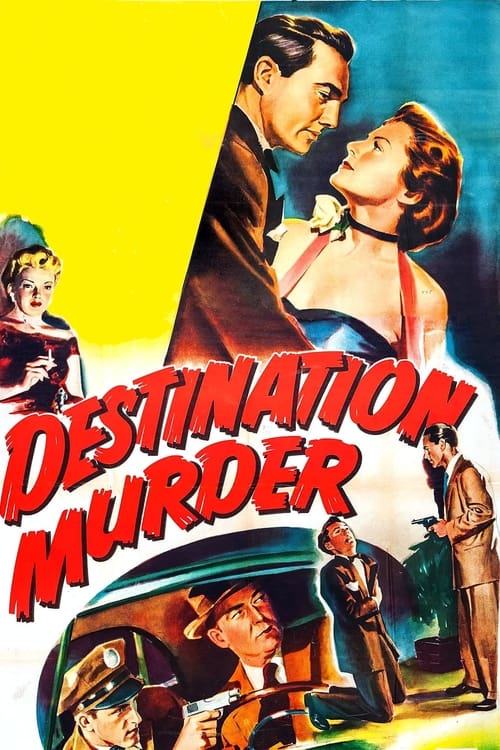
1950
No reviews yet. Be the first to share your thoughts on this movie!
Use the rating form above to leave a star rating and optional review.